“Development to Accommodate Visitors Will Be Necessary” – The Growth Mandate that wasn’t!
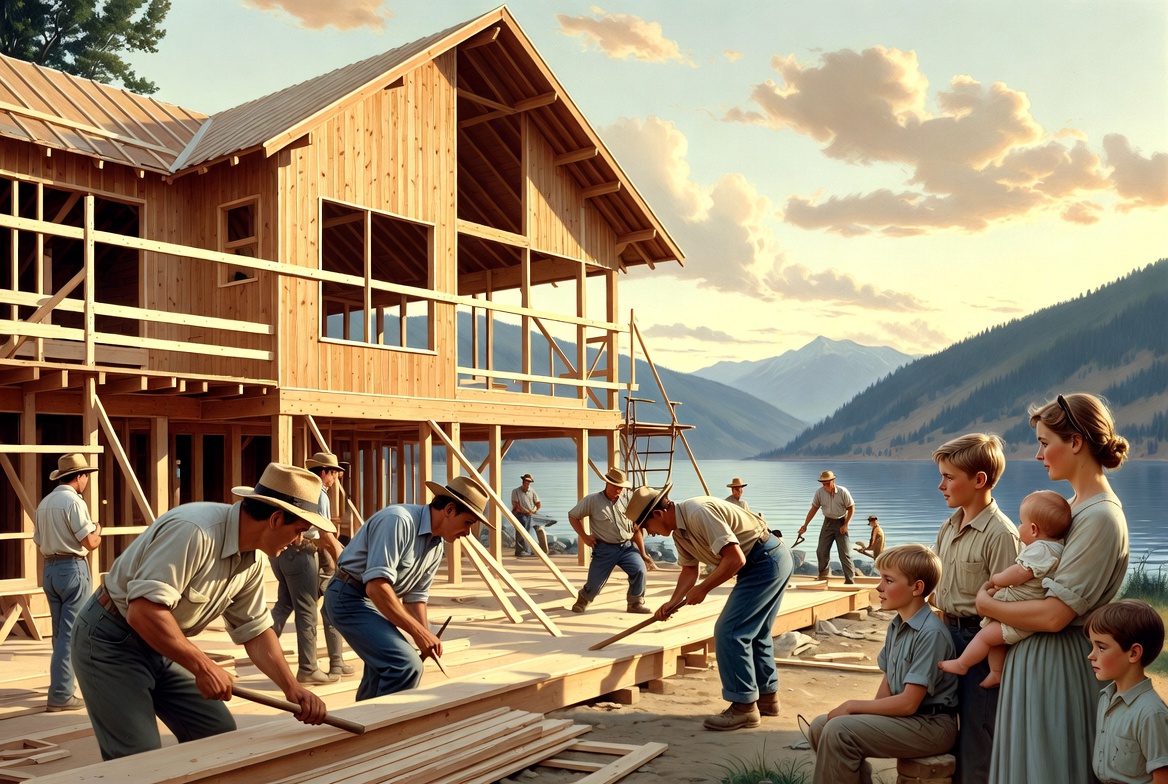
Public Law 90-544 didn’t create a wilderness museum. It created a living National Recreation Area where private businesses and families were promised they could exist and grow to serve the public. Here’s the proof — straight from Congress and the GAO — and the broken promise that’s hurting visitors today
Idea/Promise: The village and lower valley must have development to serve the public. Congress foresaw “considerable use” and said infrastructure and services were required.
Direct Quote – Senate Report 700 (Oct. 31, 1967): “The village and the lower valley, therefore, will have considerable use, and development to accommodate these visitors will be necessary.” (Full context: This is why they created the Lake Chelan NRA instead of folding Stehekin into strict National Park status – so the community could grow to welcome visitors.)
1968–1978: Rapid Growth to Serve Surging Visitors
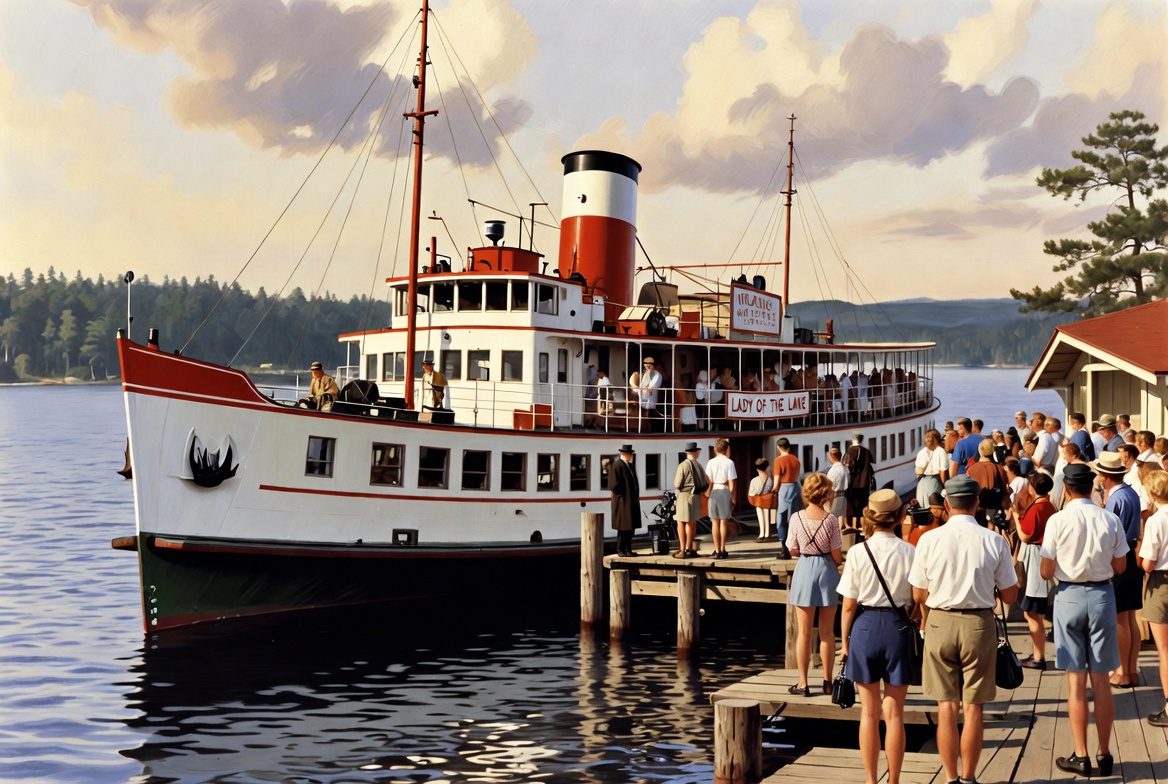
Visitor use exploded immediately after the 1968 law. The historic Lady of the Lake ferry brought thousands more than pre-park days.
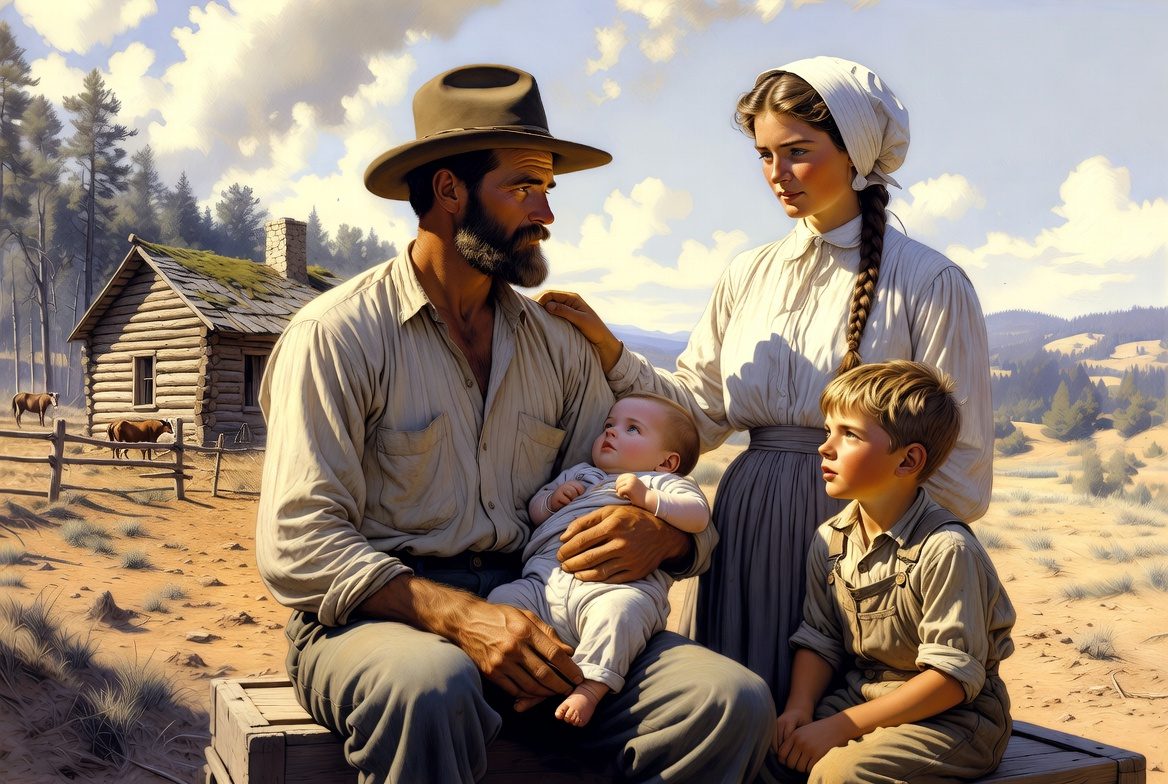
Stehekin was settled by homesteading families who built a real, year-round community that has welcomed thousands of visitors since the Argonaut and Moore Hotel opened in 1891.
After Congress created the Lake Chelan National Recreation Area in 1968 and promised to protect valid existing rights, a shift occurred. Many seasonal property owners and outside advocacy groups, some with strong ties to part-time homes in the valley, secured their own places, then began pressing the Park Service for ever-stricter limits on new building and responsible modernization.
This has produced two very different visions for the future: • One that honors the pioneer legacy of a living community where full-time families live here 365 days a year, maintain services, and keep Stehekin open and welcoming for all Americans. • One that seeks to gradually freeze the valley as a quiet, seasonal wilderness retreat.
We believe Stehekin’s decisions should be made by the families who call this place home year-round, the same families the federal government invited to settle here in 1886 and whose rights Congress explicitly protected in 1968.
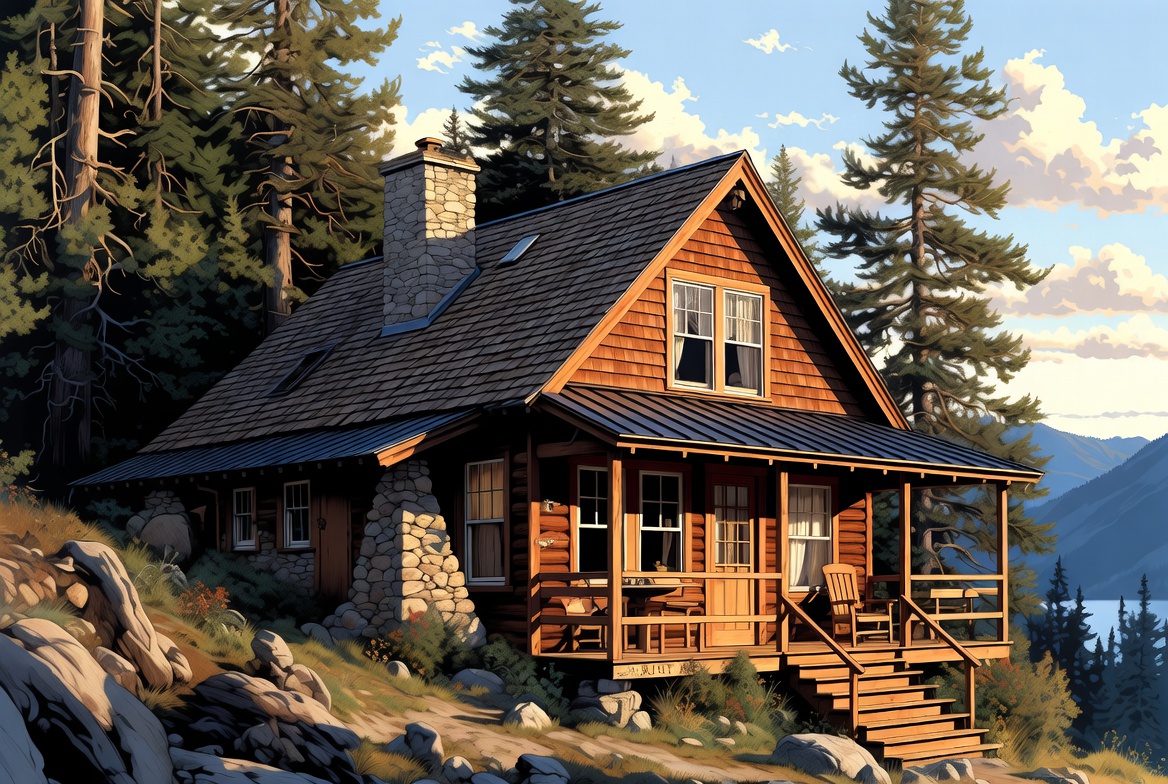
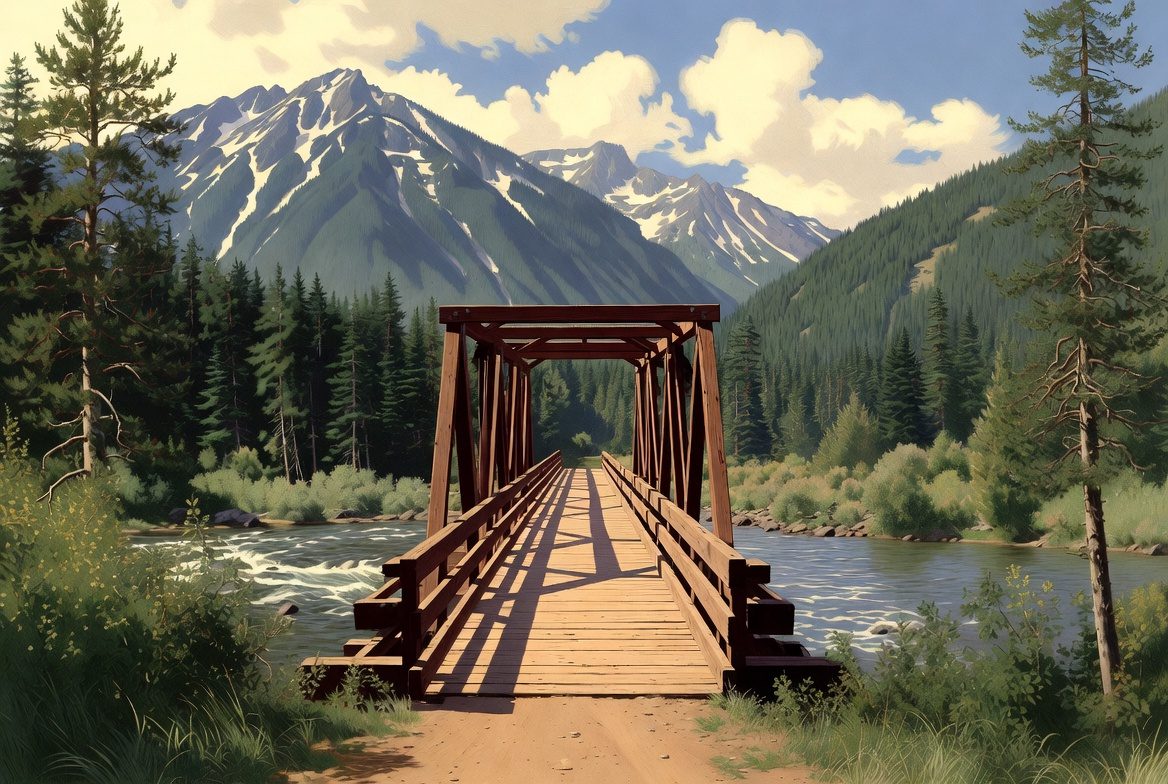

Not all of what the National Park was bad. They did improve bridges in the Recreation Area and paved some roads.
1968: NPS replaced the decaying Bridge Creek bridge and reopened the upper Stehekin Valley Road all the way to Cottonwood Camp (previously closed and impassable).
1970 (April): Chelan County transferred the entire Stehekin Valley Road to the NPS via quitclaim deed. (Which may have been illegal according to the Bohn Report)
1973: Replaced the Tumwater Bridge.
1975: Replaced the High Bridge.
1970–1980: The NPS poured approximately $1.4 million into road and bridge upgrades, including:
- Replacement of eleven bridges
- Paving the lower four miles
- Repairing slides and washouts
- Replacing culverts
- Reconstructing lost roadway sections
- Launching the public shuttle system
Gateway to the North Cascades
Stehekin became the living gateway Congress envisioned – visitors stayed, ate, hiked, and returned because of the community’s development.

1978–2026: The Mandate Was Honored… Then Slowly Strangled

1968–1995: Growth Slows as Land Base Shrinks
Private land drops from ~1,730 acres (1968) to ~656 acres by 1978, then continues falling. The government continues to buy up land through lies and coercion.
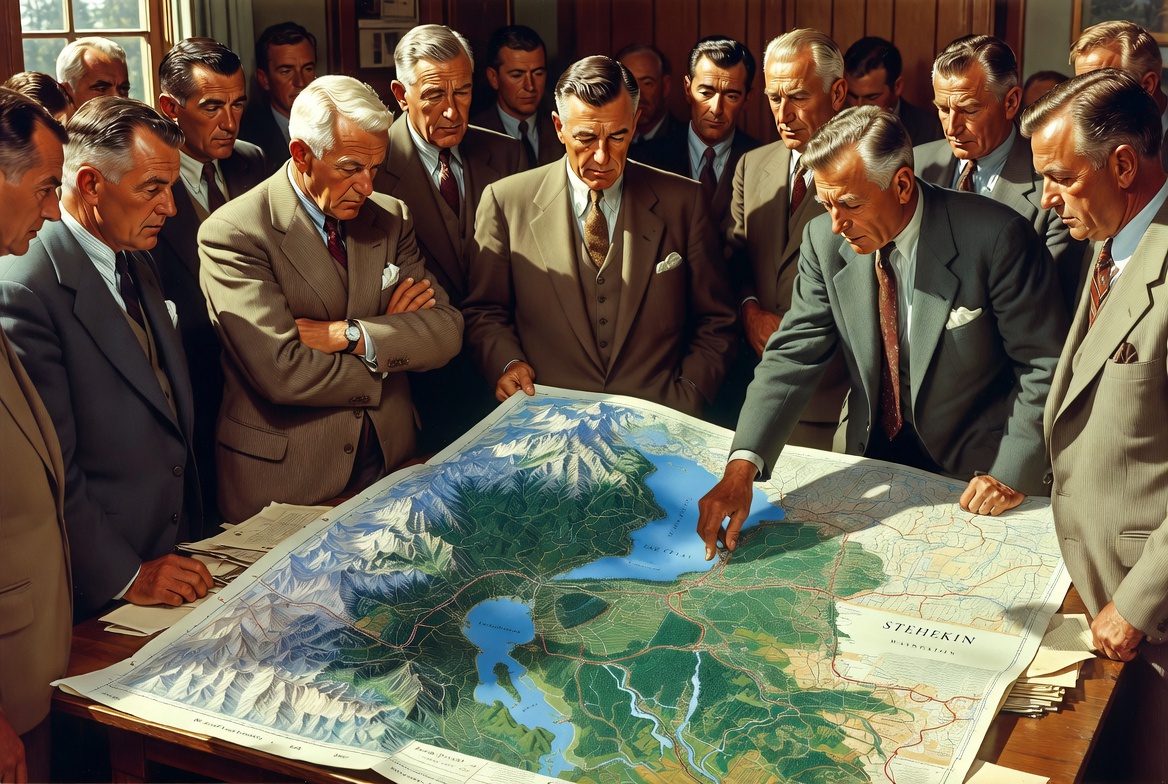
1995 Lake Chelan NRA General Management Plan (GMP)
Acknowledges the 1968 mandate but caps road expansion (“road system would not be expanded”), focuses on paving existing segments, adding trails, and campgrounds – while prioritizing “voluntary” land buys.
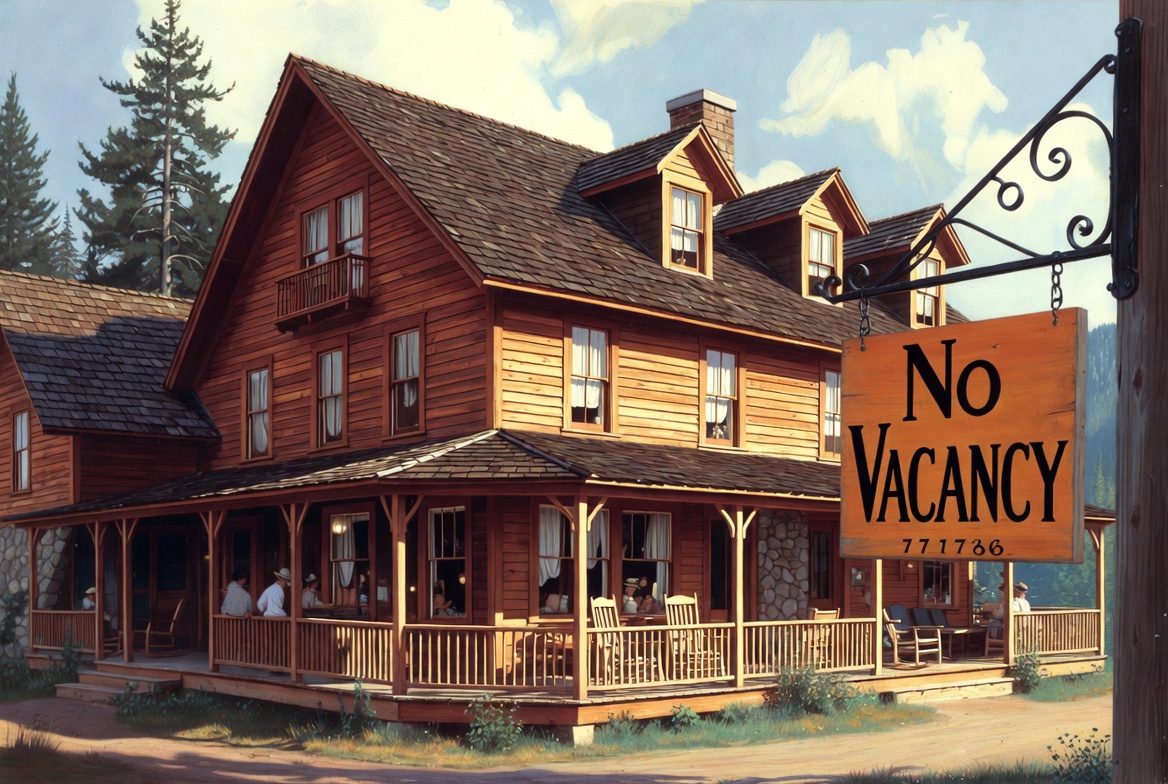
NO VACANCY!
Visitor services still grow modestly via private businesses, but every acre lost makes further accommodation harder. Guest simply did not have places to stay because the Government continued to buy up land that could have been developed responsibly.
By 1980, the NPS had acquired all three lodges at Stehekin Landing — the primary commercial hub serving thousands of visitors every year. Then they closed the largest hotel, the Golden West, into the visitor center. Lodging accommodations dropped by 50% when visitor ship was exploding.
“Yet the Service [NPS] has prohibited new private commercial development to increase lodging accommodations and to provide needed restaurant and grocery services for both residents and visitors.”
1995–2016: The Squeeze Intensifies – Flood Plans Block the Mandate
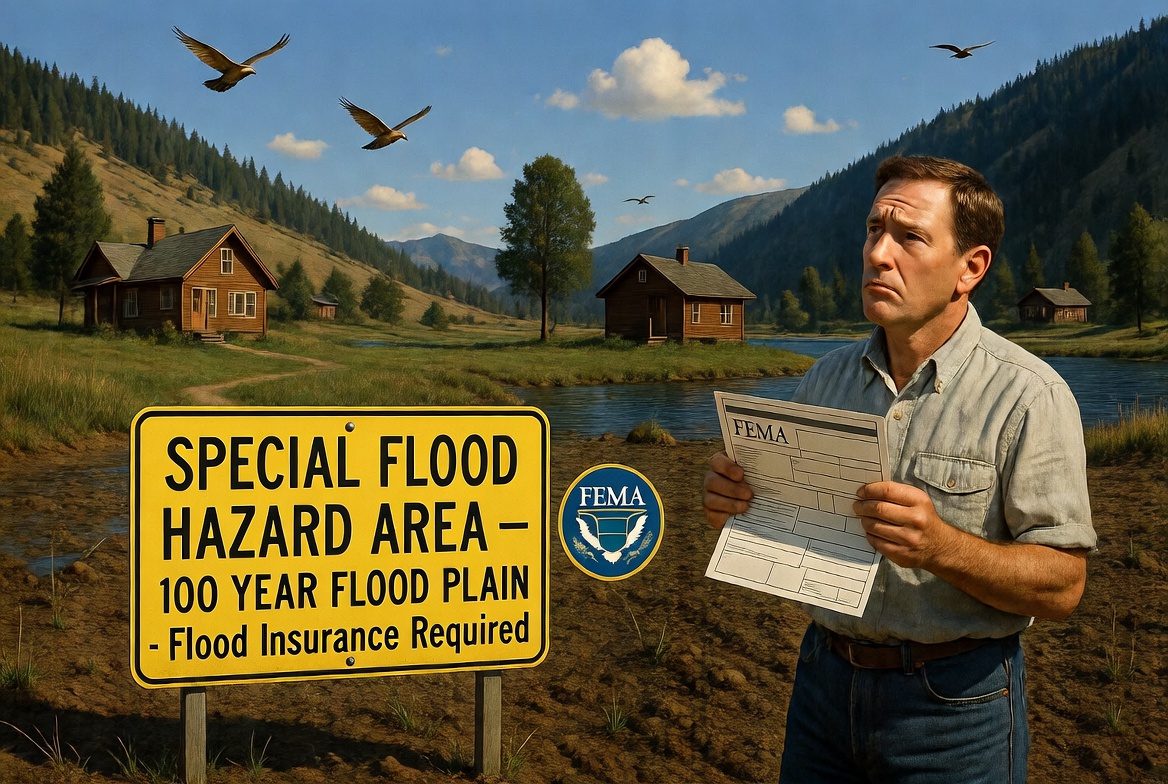
2011–2012 Stehekin River Corridor Implementation Plan (SRCIP)
Labels most remaining private land as “high/medium priority” for acquisition due to channel migration zone (CMZ) mapping – even parcels untouched by the 2003 1,000-year flood. New building becomes nearly impossible without NPS approval or expensive flood insurance.
Private tracts fall to ~417 acres (2011 NPS data); businesses struggle to expand.
2016–2026: The Breaking Point – Millions of Visitors, But Development Frozen
Visitor demand keeps rising.
Ferry traffic, hikers, and seasonal visitors swell the valley every summer. From 1991 to 2024 at least 1,342,594 people came to the Stehekin Valley.
Annual Park Recreation Visitation – LCNRA
Stehekin’s private landowners and businesses are not the problem. We are the solution Congress wrote into federal law in 1968. A thriving Stehekin serves the national interest better than an empty, government-controlled valley ever could.
The Promise Is Still the Law. Public Law 90-544 has never been repealed. The growth mandate stands. The National Park Service simply chose to ignore it.