Stehekin Was Built by Real Families Long Before the Park
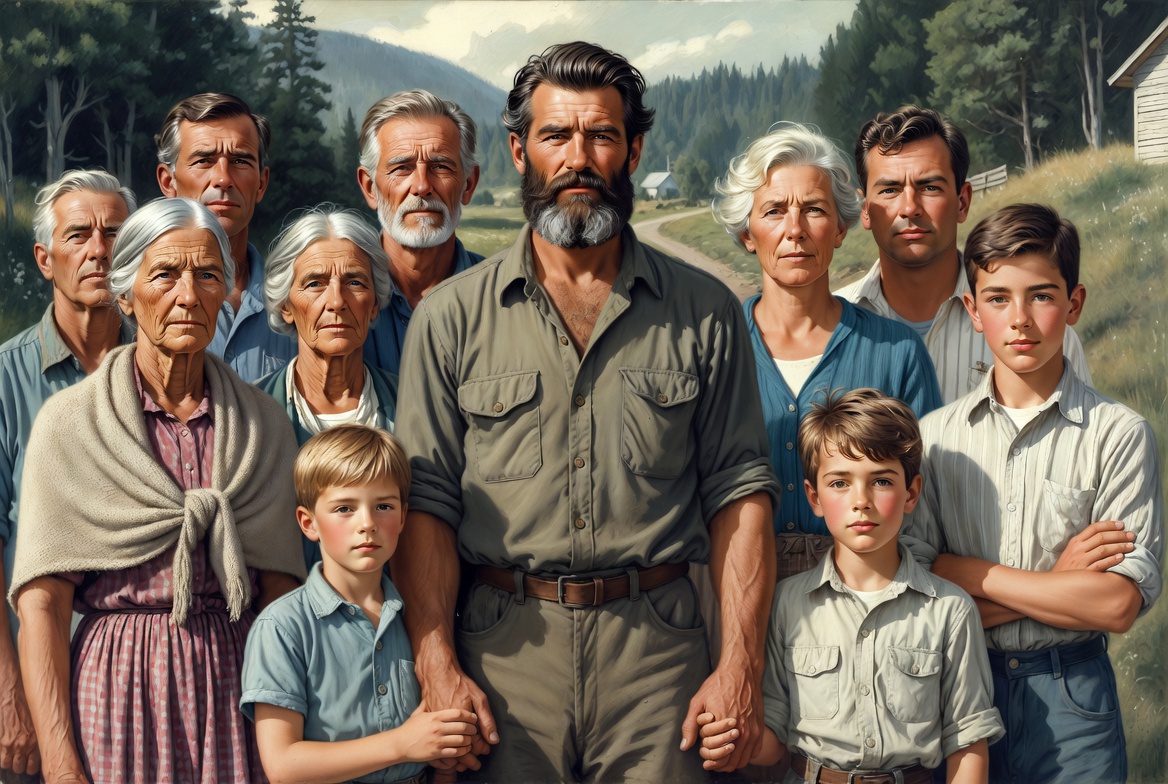
Stehekin was never empty wilderness. Starting in the 1880s, American homesteaders came here and made it their home. They filed claims, built cabins, opened hotels, planted orchards, and created businesses. They lived here year round and served visitors for more than eighty years before the park existed.
This timeline shows how those pioneer families created the living community we still have today. It proves Stehekin has the right to exist and grow responsibly.
For thousands of years.
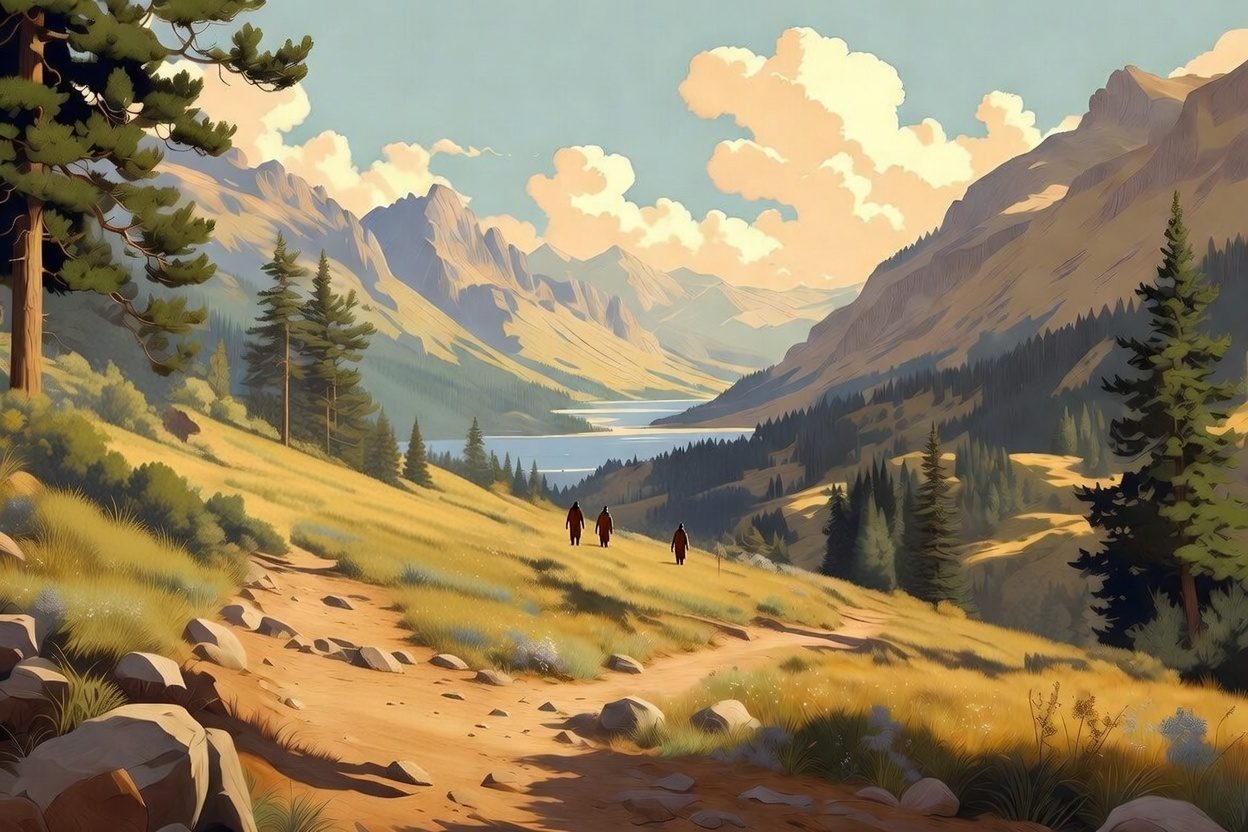
The very name Stehekin, a gift from the original stewards of this land, means “the way through.” For at least 9,000 to 10,000 years, this narrow valley at the head of Lake Chelan served as one of the few natural corridors piercing the rugged North Cascades. Indigenous travelers followed the same trails we still walk today: over Cascade Pass, along the Stehekin River, and down to the lake’s edge. But never settled in the valley.
1814
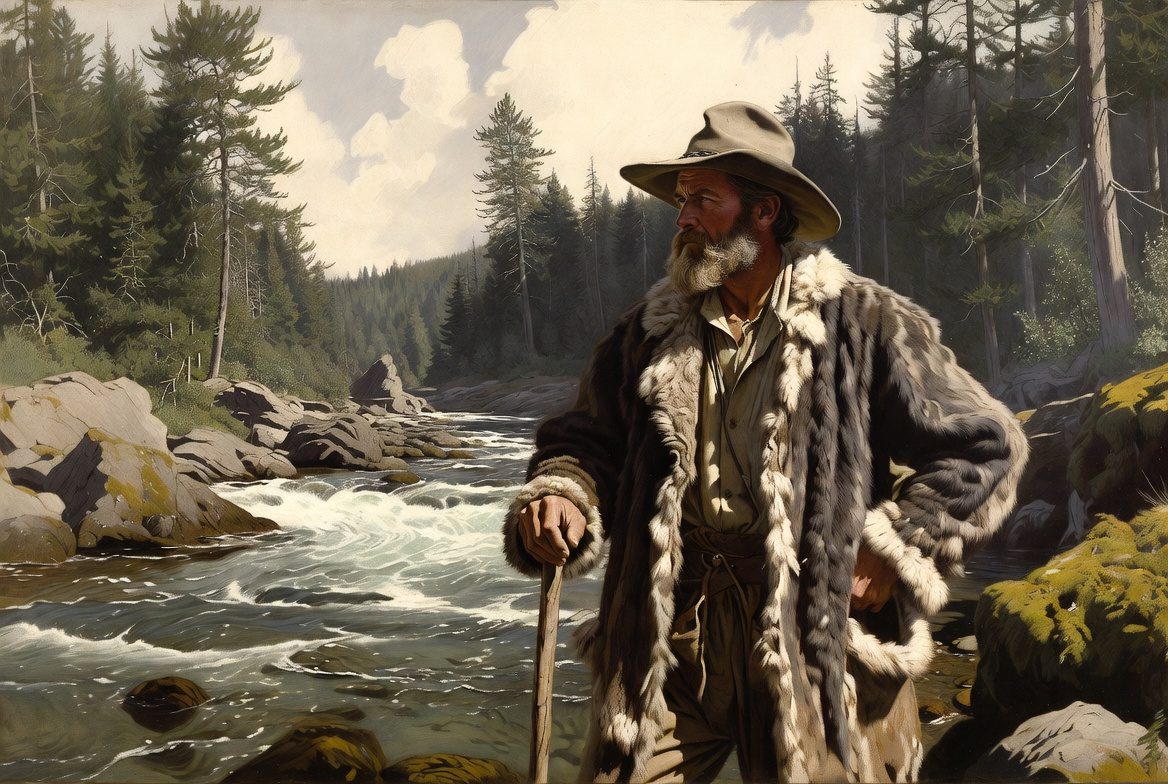
In 1814, Scottish fur trader Alexander Ross set out from Fort Okanogan and became one of the first Europeans to travel through the Stehekin River valley toward Cascade Pass. A fierce mountain storm forced the party to turn back, prompting Ross to declare, ‘A more difficult route to travel never fell to man’s lot.’ His journey proves the valley has served as a vital human corridor for over 210 years.
1879
In 1879 President Hayes created the Columbia (Moses) Reservation covering Stehekin and the land between the Methow and Lake Chelan. It was dissolved and opened to homesteaders in 1886 by President Cleveland. That federal invitation founded Stehekin’s private communities.
1885
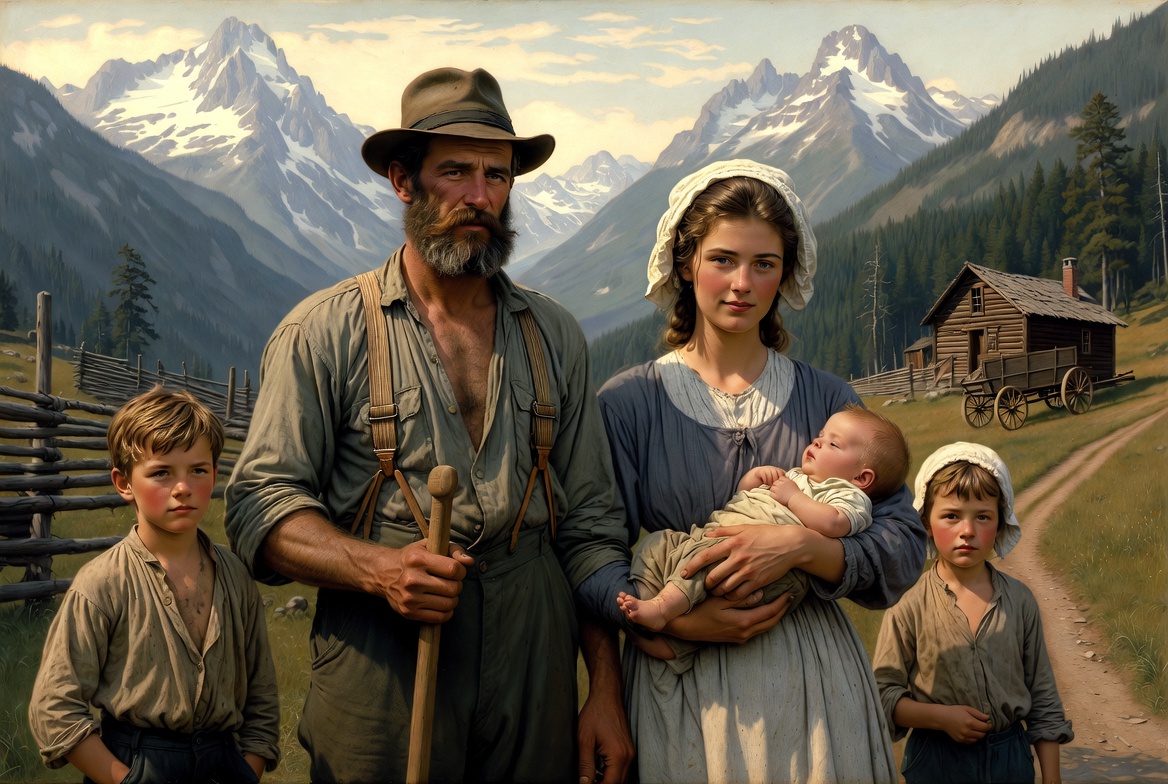
In 1885, pioneer prospector George L. Rouse and partner John C. ‘Jack’ Rouse staked some of Stehekin’s first major mining claims at Doubtful Lake, including the famed Quien Sabe claim. Crossing Cascade Pass, they launched the upper-valley mining boom that followed the 1886 federal opening.
1889
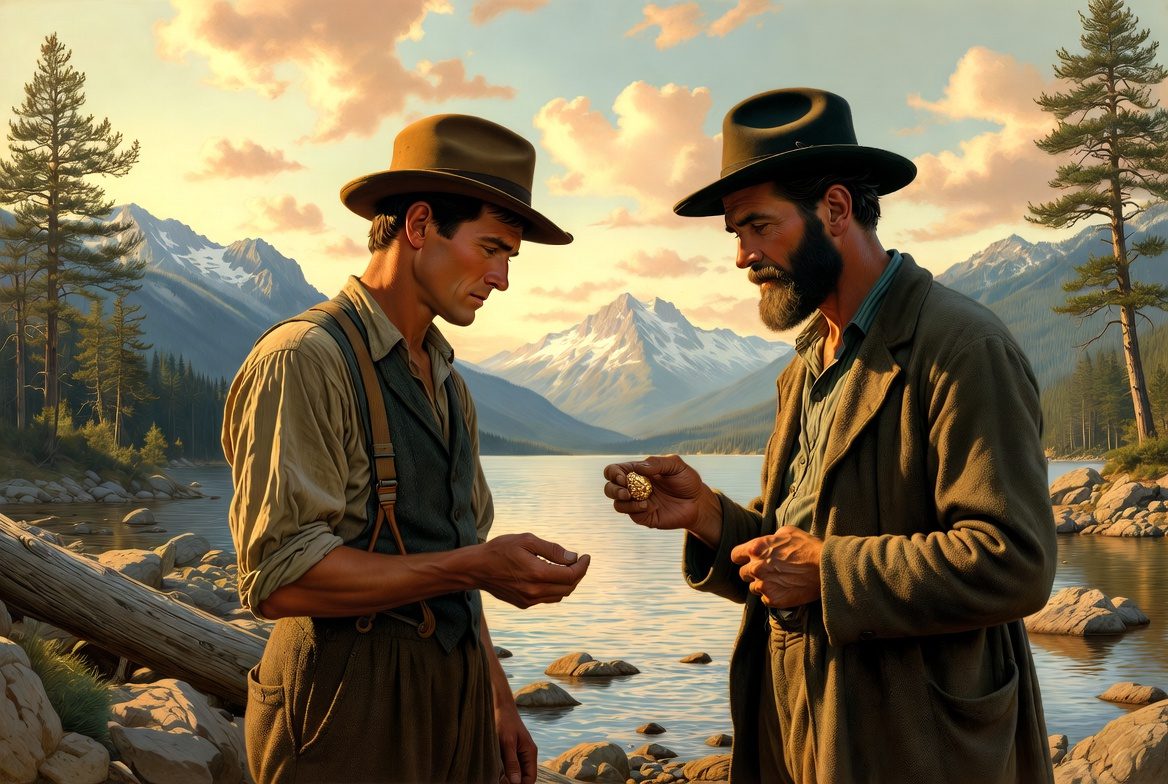
Bill Buzzard files the first major homestead — builds the log cabin that still stands today at historic Buckner Orchard.
1890
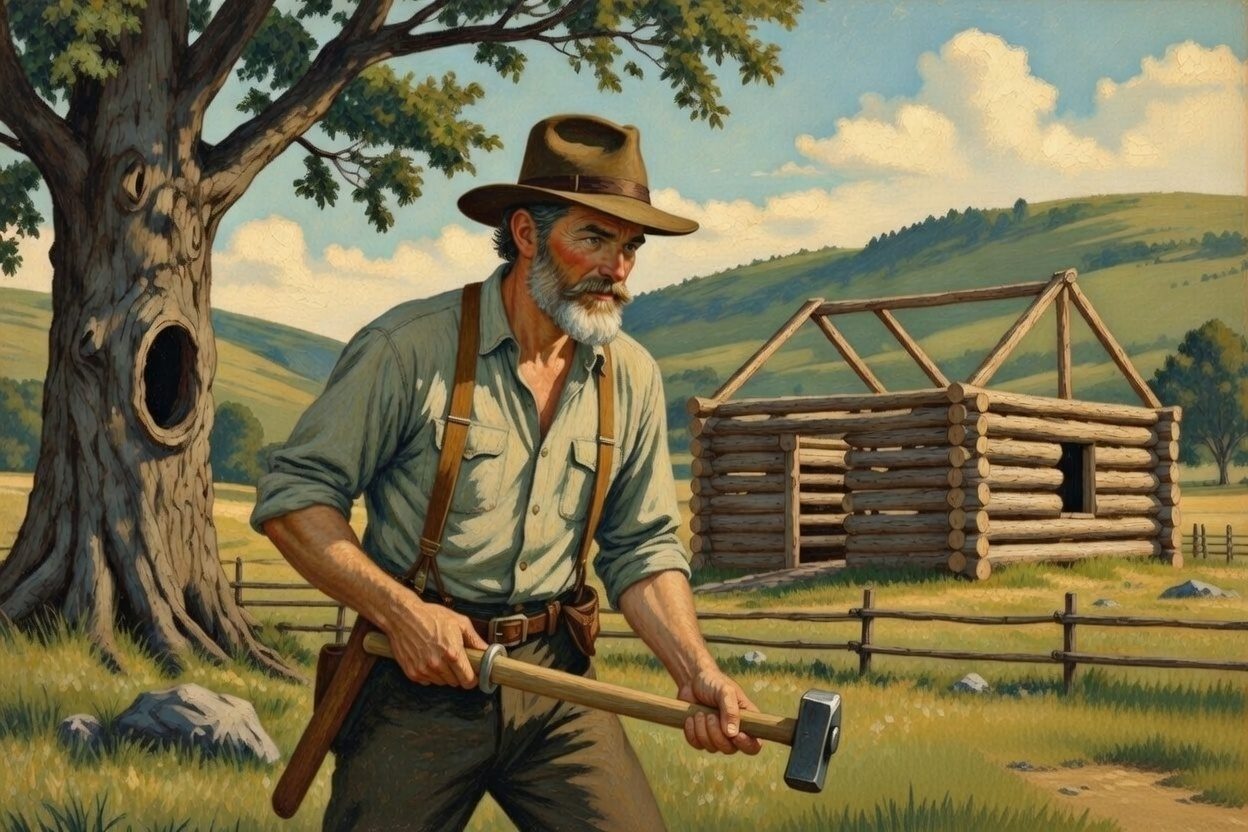
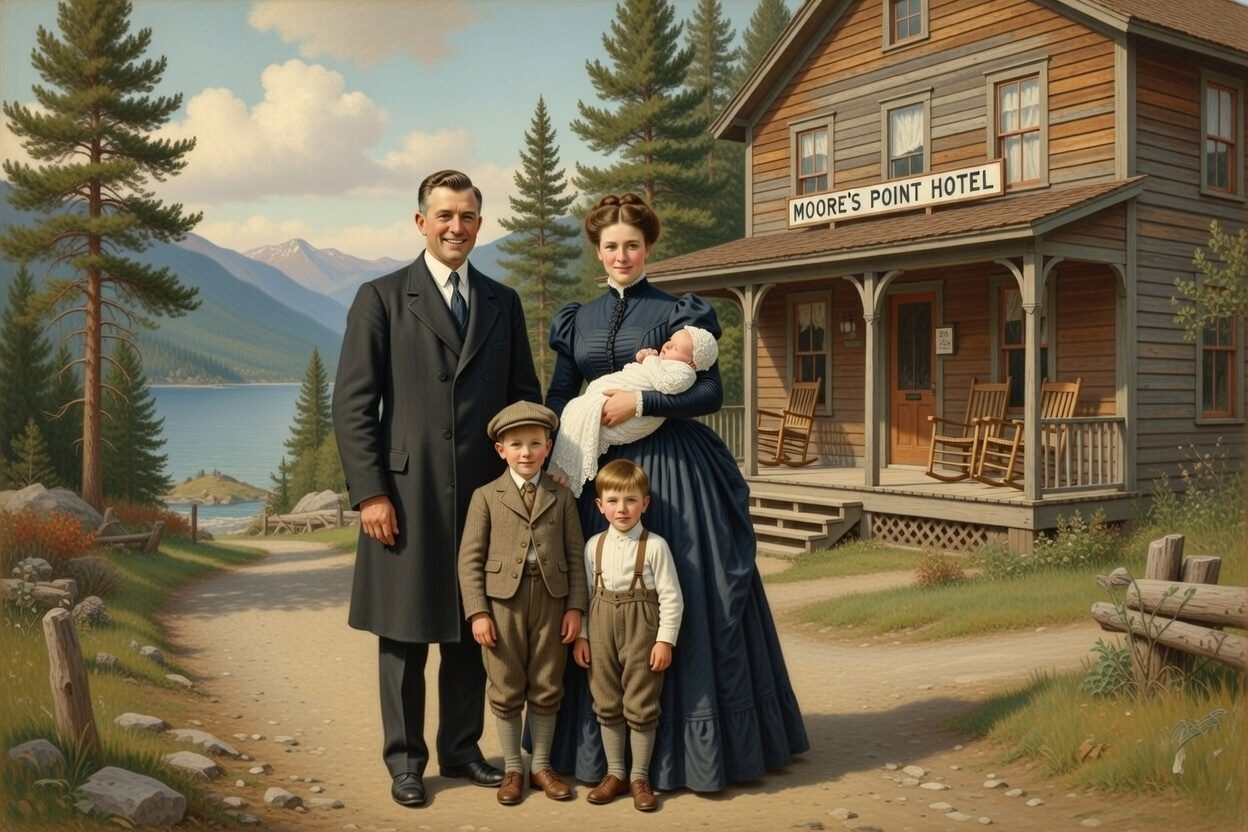
J. Robert Moore left the punishing blizzards of Great Falls, Montana, in search of a better life. He traveled west to Chelan, stepped aboard the steamboat, and sailed north up the long, blue finger of Lake Chelan. The moment he set foot in Stehekin, he knew, this was home. He soon after sent for his family, Mary and their two children.
1890
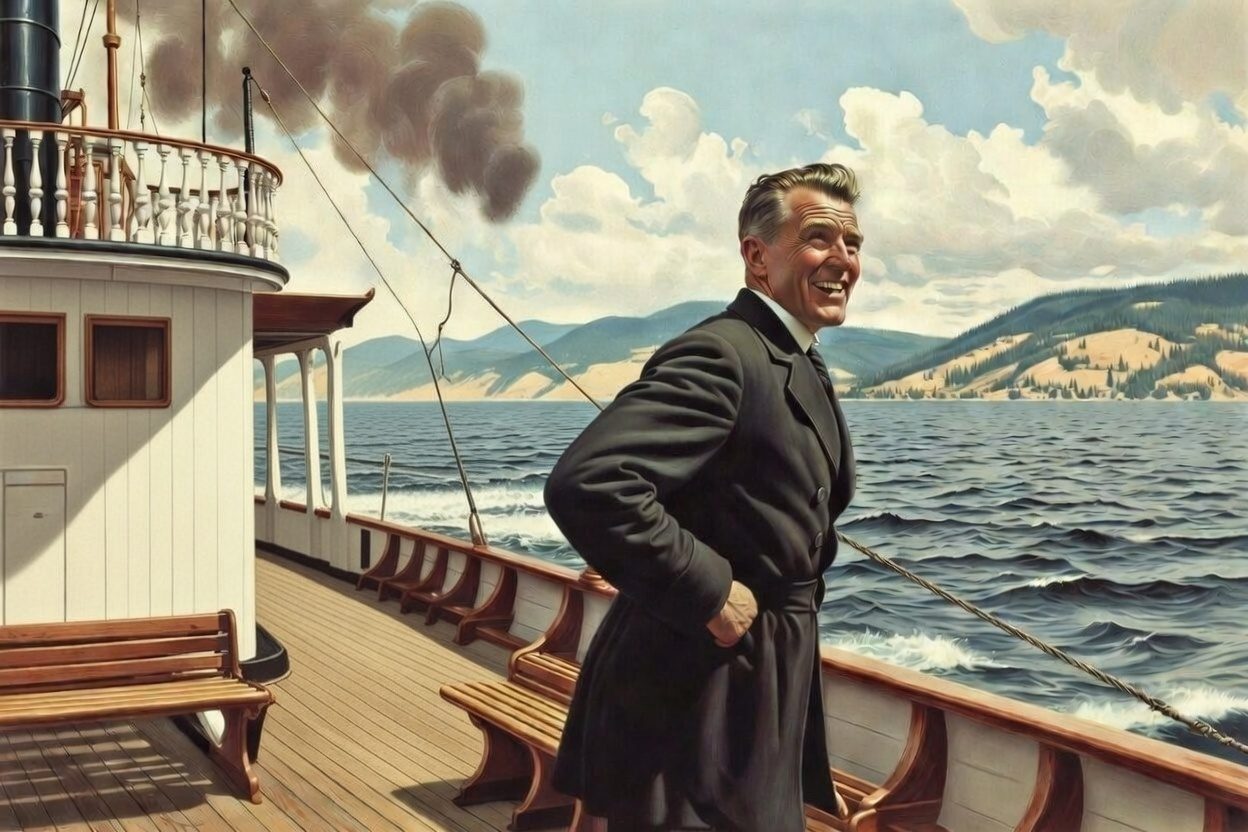
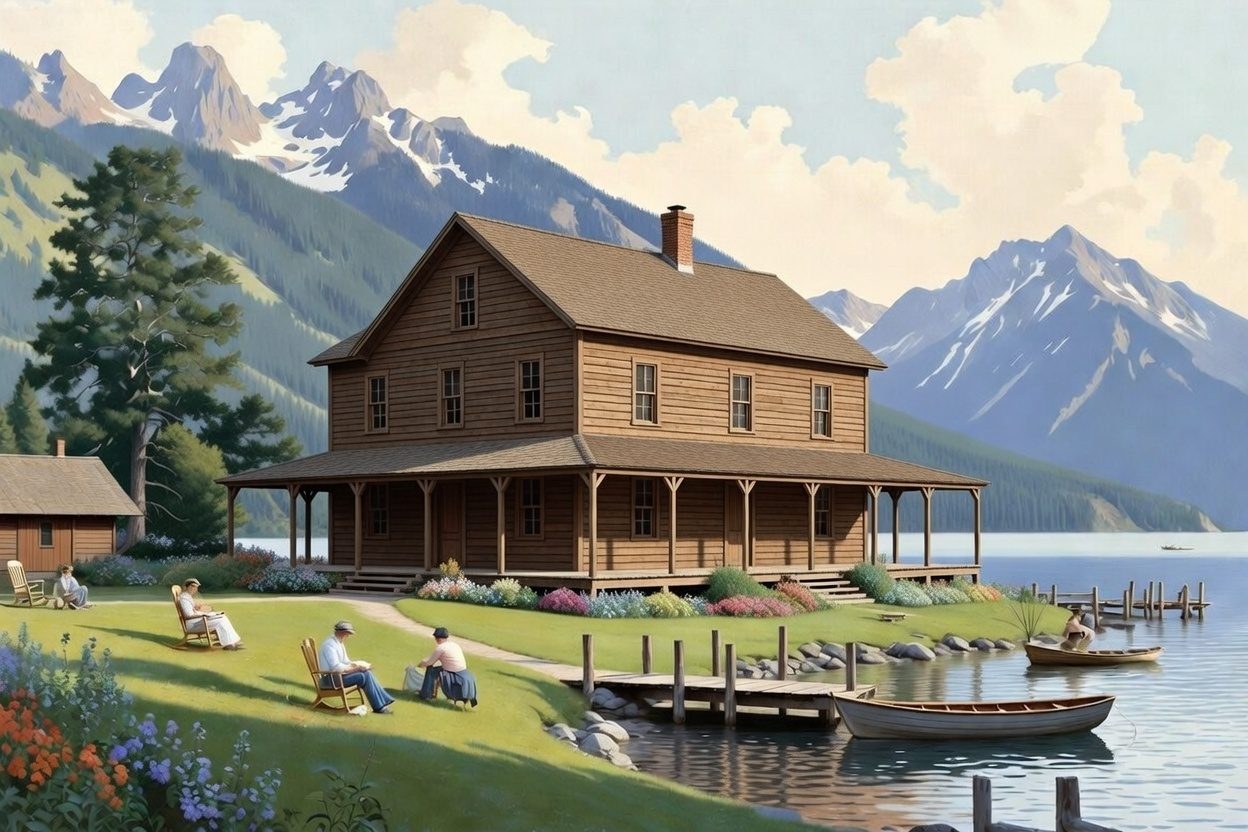
In 1890, as the wood-fired steamboat Belle of Chelan began hauling prospectors and curious travelers up Lake Chelan, local entrepreneur George Hall saw the need and built the Argonaut Hotel right at the head of the lake near the Stehekin River mouth. It started simple: a sturdy two-story wooden building with a wide wrap-around porch—basic lodging for miners chasing gold, silver, and copper in the North Cascades.
1891
By 1891, the enterprising Moore family had proudly built the historic Moore Hotel at Moore’s Point — a welcoming landmark that drew adventurous visitors from across the nation by steamboat to experience Stehekin’s breathtaking paradise. J. Robert Moore’s original homestead remains today as Moore’s Point, a living testament to the pioneering spirit that gives our community its undeniable right to thrive.
1892
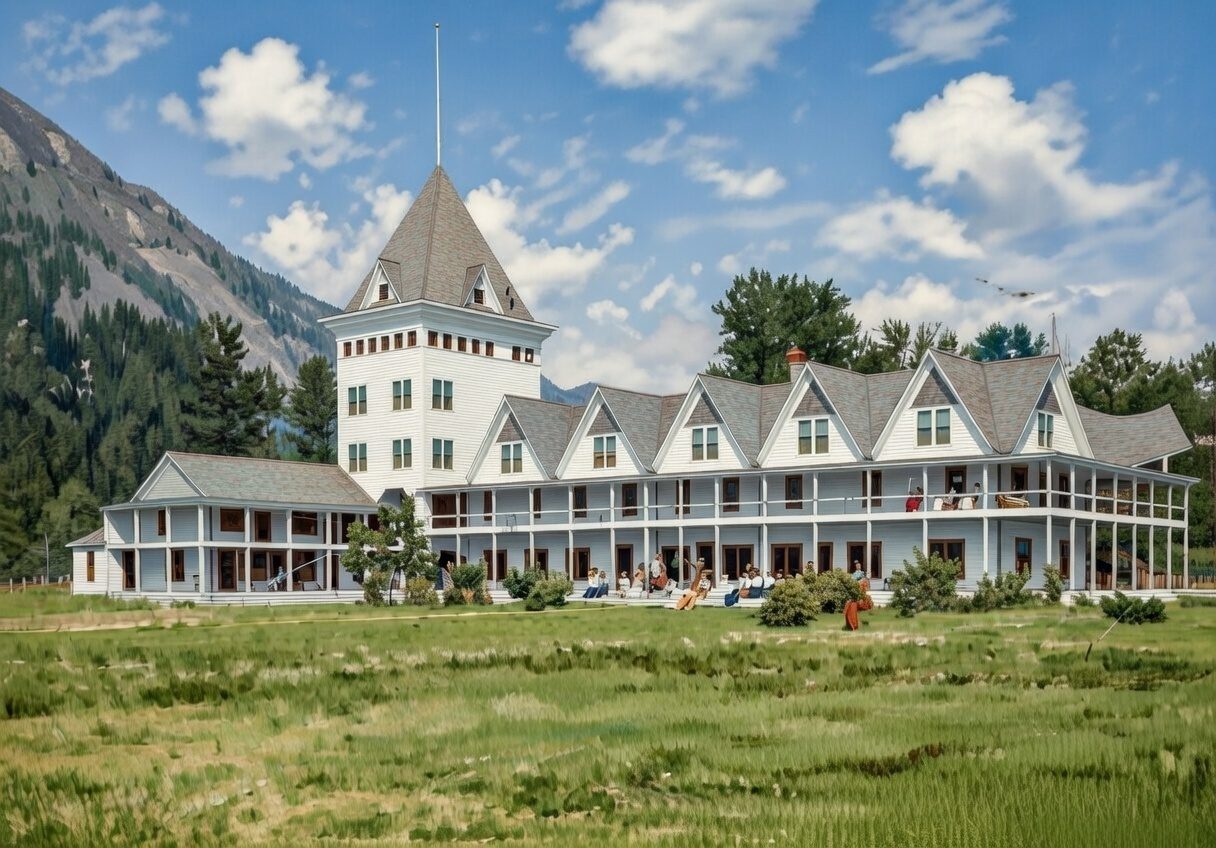
Then in 1892, Merritt Eugene “M.E.” Field (a born hustler from Iowa who literally broke down on his way elsewhere and decided to stay) arrived with his family. He took over management, bought the hotel from Hall, and completely reinvented it. He renamed it the Field Hotel (sometimes called Hotel Field) and turned it into one of the Pacific Northwest’s most elegant destination resorts.
1910–1911
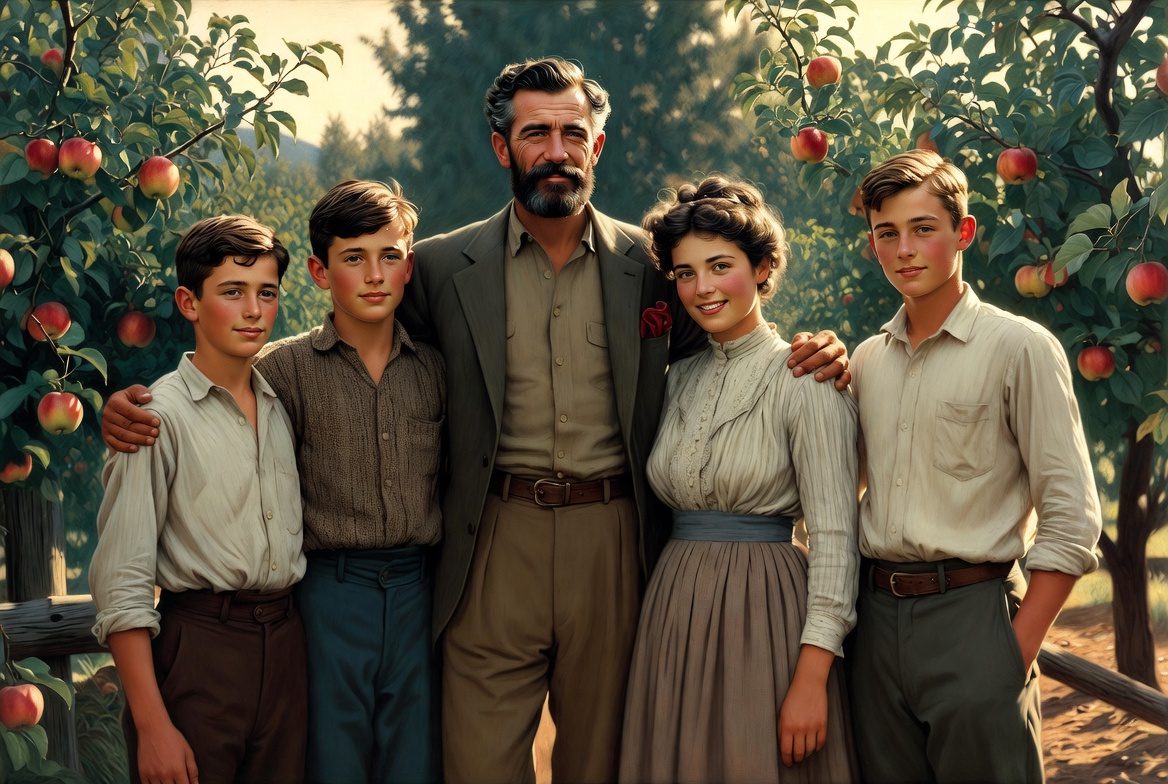
The Buckner family arrives and transforms the land into thriving orchards and Rainbow Ranch, laying the foundation of Stehekin’s community.
- William Van Buckner
- May Buckner
- Frank Buckner
- Carroll Buckner
- Harry Buckner
1915
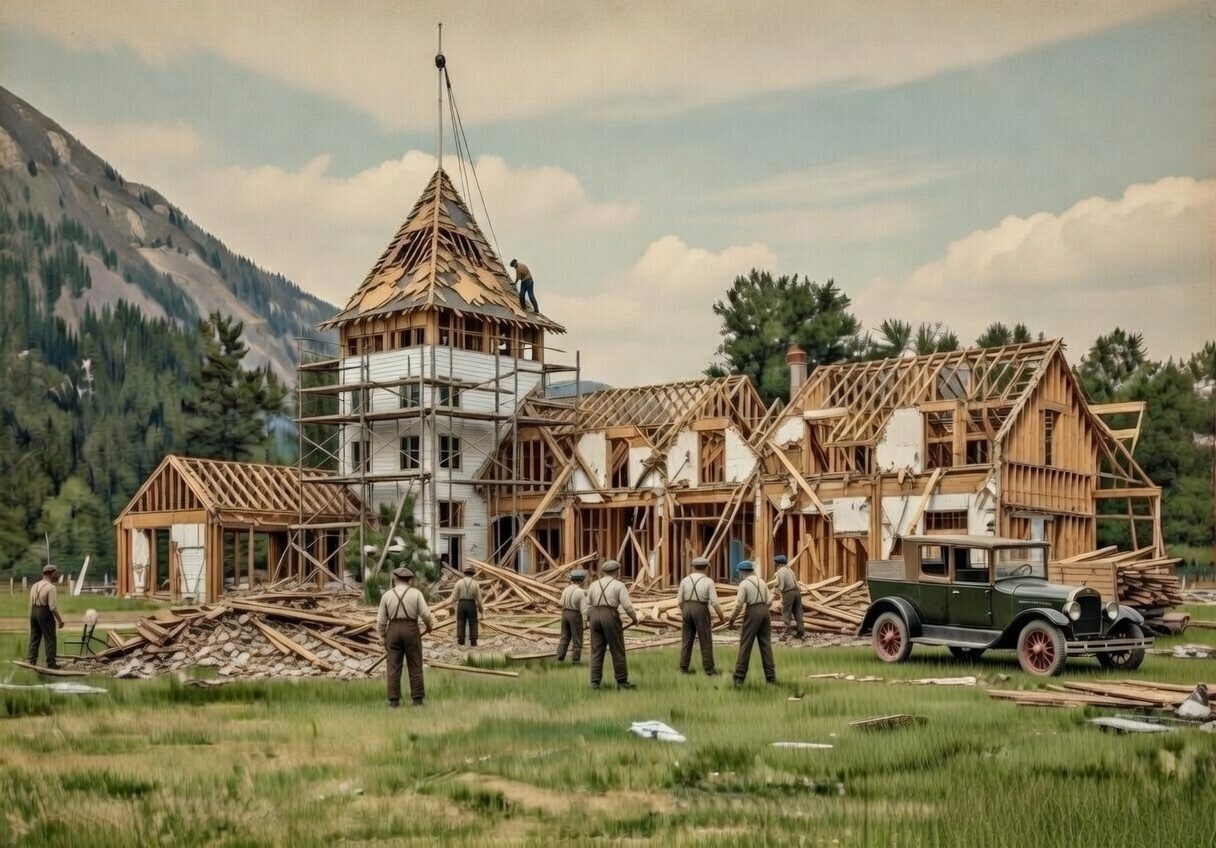
Then in 1915 the Great Northern Railway bought the entire property. Why? Because the railroad (through its power subsidiary, Chelan Electric Company) had big plans for a new, much larger dam at the outlet of Lake Chelan to generate hydroelectric power. The Federal Power Commission approved a dam would raise the entire lake level by 21 feet. The hotel sat low, right on the original shoreline — it would be flooded and destroyed.
So in 1926, as the dam neared completion, the last manager — Jack Blankenship (an early Forest Service ranger) — carefully dismantled the magnificent structure piece by piece. Every usable timber, beam, window, molding, staircase, and even that iconic stone fireplace was salvaged and hauled to higher ground.
1917
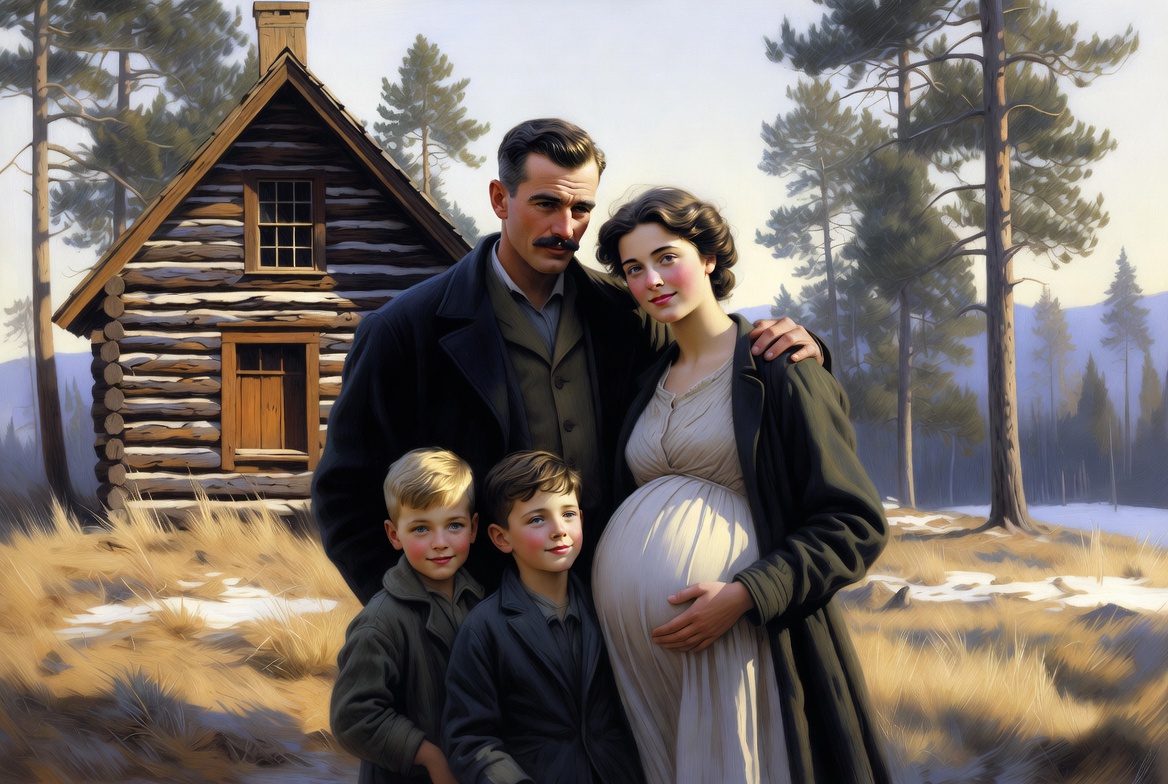
In In 1917 Hugh Courtney came up to Stehekin for work at a saw mill owned by Frank Lesh. Enjoying the work he decide to make a claim for the abandoned William McComb homestead. It was accepted on April 19th, 1918.
Hugh & Mamie Courtney move into their dirt-floor cabin with their two sons and unborn daughter. In total they will have 4 children and 13 grandchildren. Six generations of Courtneys have called Stehekin home.
1921
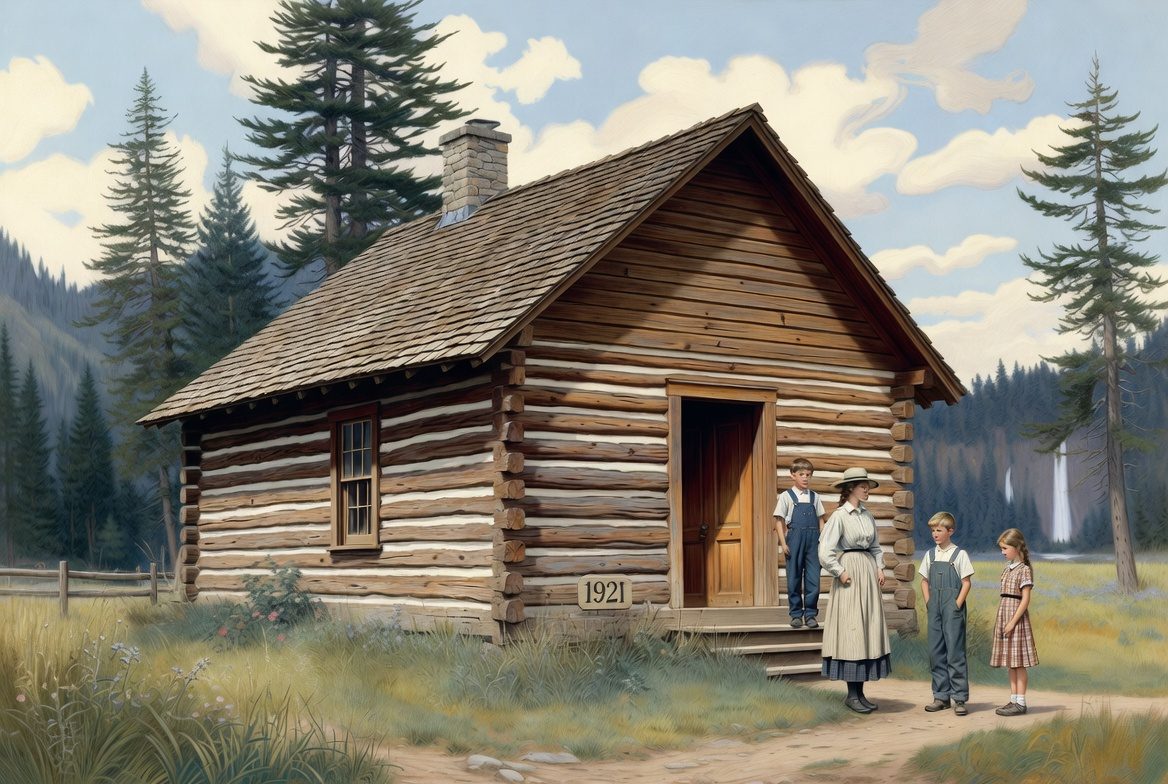
The new school was built near Rainbow Falls so it would be easier for students up valley and below to get to. In the winters it was quite the trek, I’m sure the locals would tell you uphill both ways and through 8 feet of snow.
1927
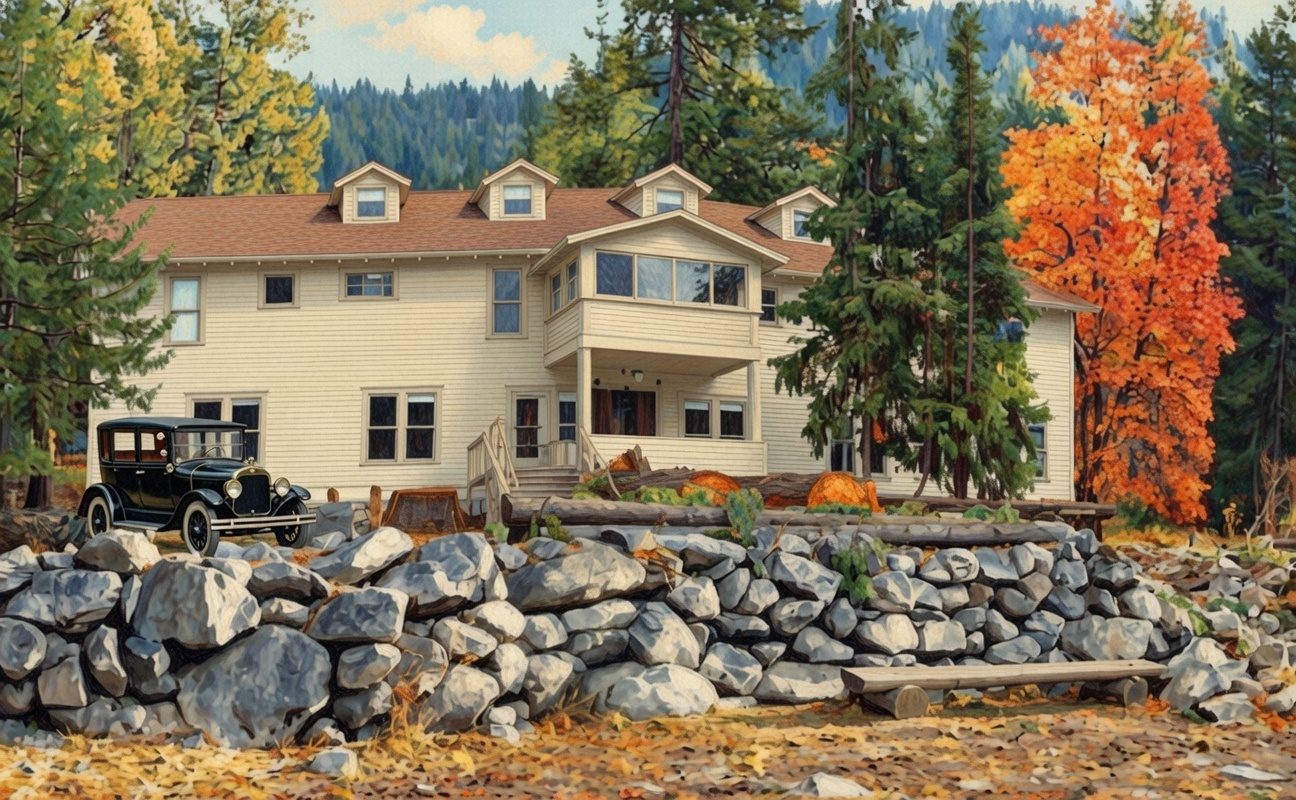
Field Hotel had to be dismantled because the federally licensed Chelan Dam raised Lake Chelan by 21 feet. They hauled the materials to higher ground above the new shoreline and rebuilt a beautiful 20-room resort hotel that opened for guests in 1927. It proudly served as Stehekin’s largest and most welcoming lodge for 44 years (1927–1971) before the National Park Service acquired it and turned it into today’s Golden West Visitor Center. The NPS has left it close for the last several years.
1948
The school would close but then reopen in 1948 – Lloyd & Amy Bell begin teaching in the one-room schoolhouse and raise their family here, continuing the legacy of education and service.

After World War II – 1950 post war boom.
After World War II the real acceleration hit. The 1950s brought increased leisure time, postwar prosperity, and national attention to the North Cascades. More visitors arrived each summer. A few new commercial spots opened. Valley lodges and services stayed busy supporting those guests. Year-round families ran the businesses, kept the roads open, and made Stehekin a welcoming destination for Americans who wanted to experience the wild beauty without destroying it.
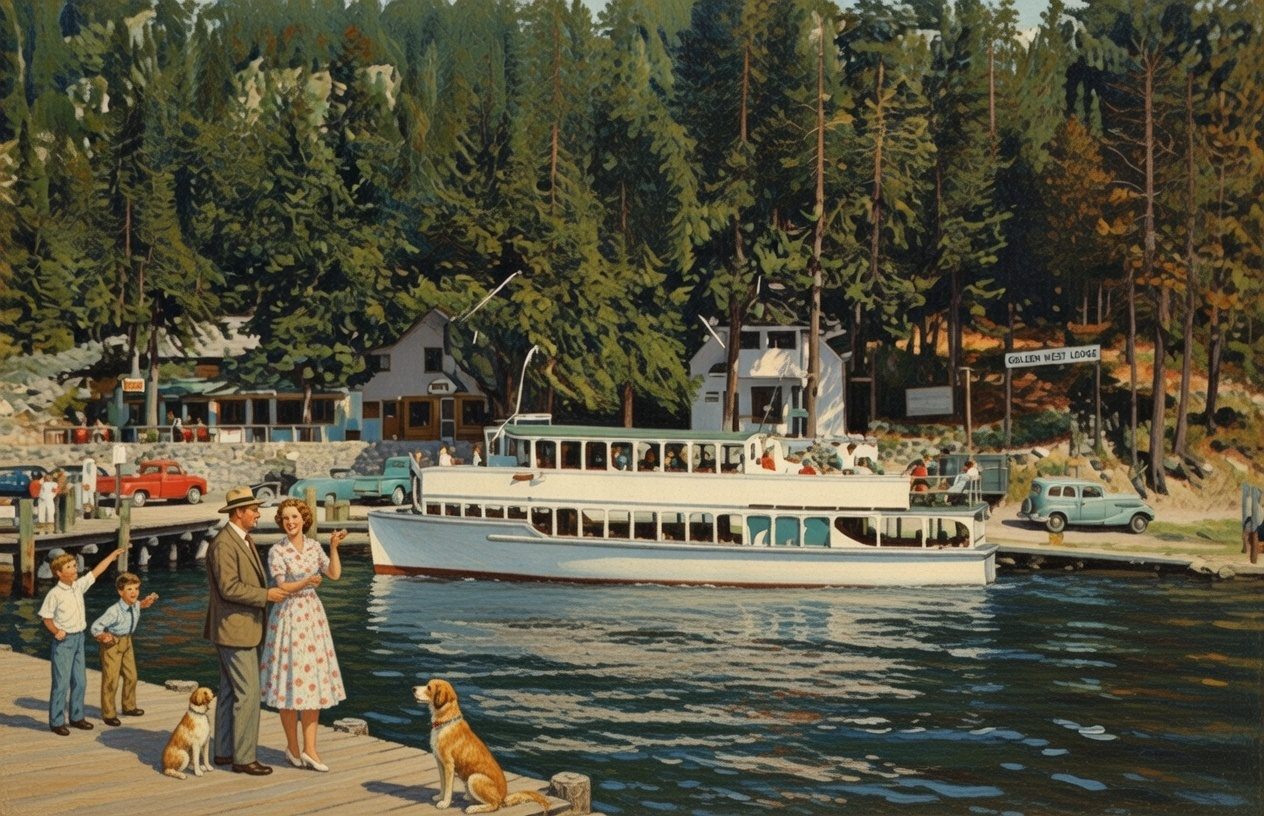
Late 1960s
The North Cascades Conservation Council and the Sierra Club led the campaign to create the new national park. They advocated for strong wilderness protections that would preserve the upper valley as a remote area and greatly limit future building and growth for Stehekin’s year-round families. This raised serious concern among the year-round families who had built and maintained the community for generations
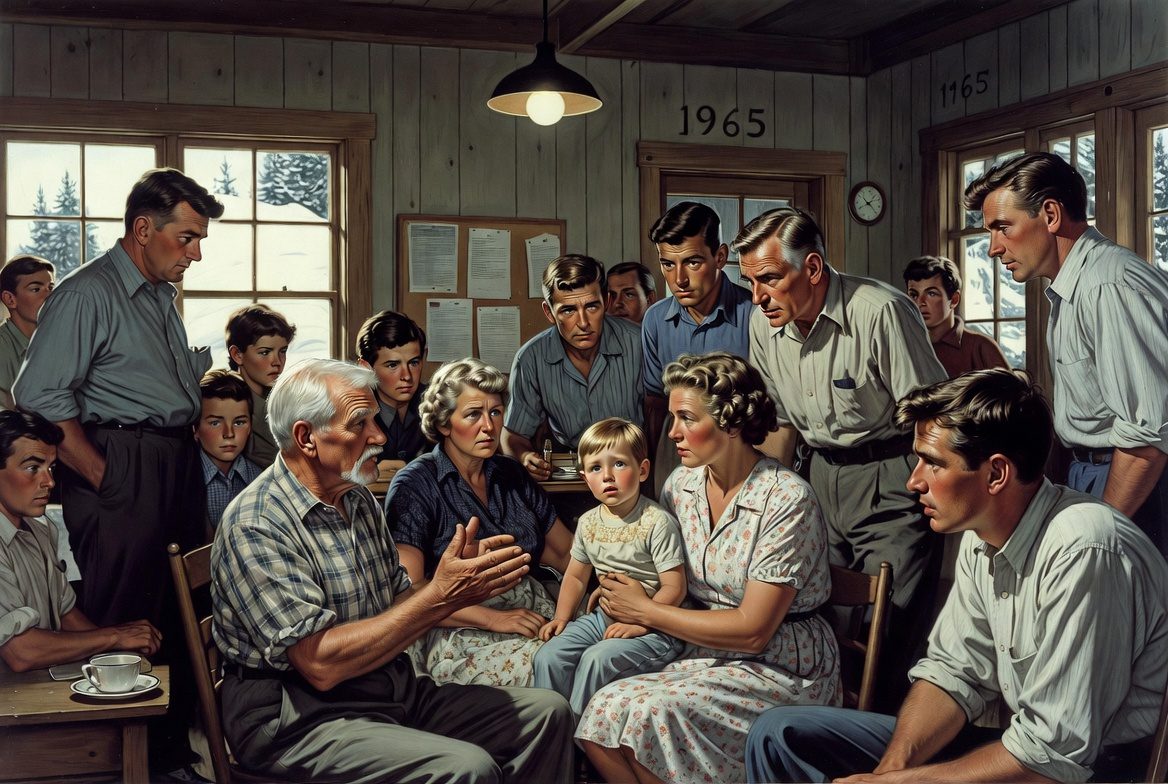
1968
Congress creates the Lake Chelan National Recreation Area. Stehekin families, already living here for generations, suddenly find themselves inside federal boundaries.
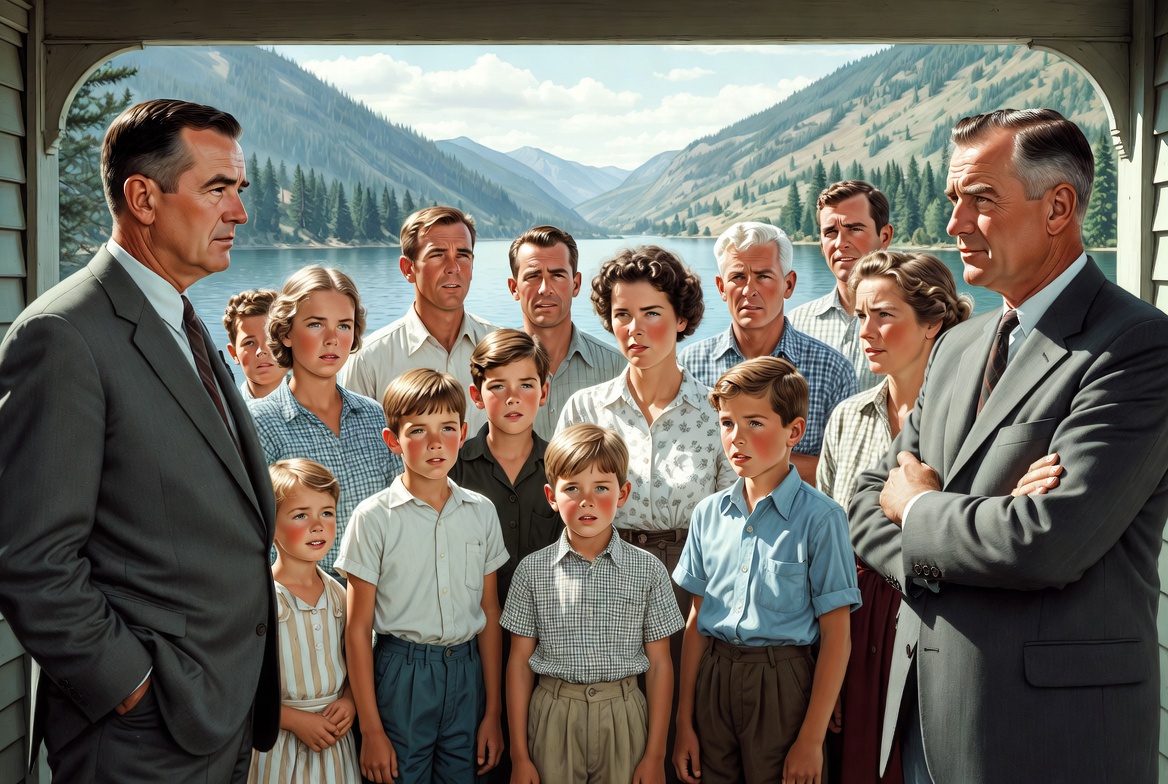
1968 to today.
Read the full story on our Broken Promises page. In 1968, Congress created the Lake Chelan National Recreation Area, and despite its explicit promise to protect valid existing rights, the slow unraveling of Stehekin’s 100+ years of family homes, traditions, and pioneer heritage began.
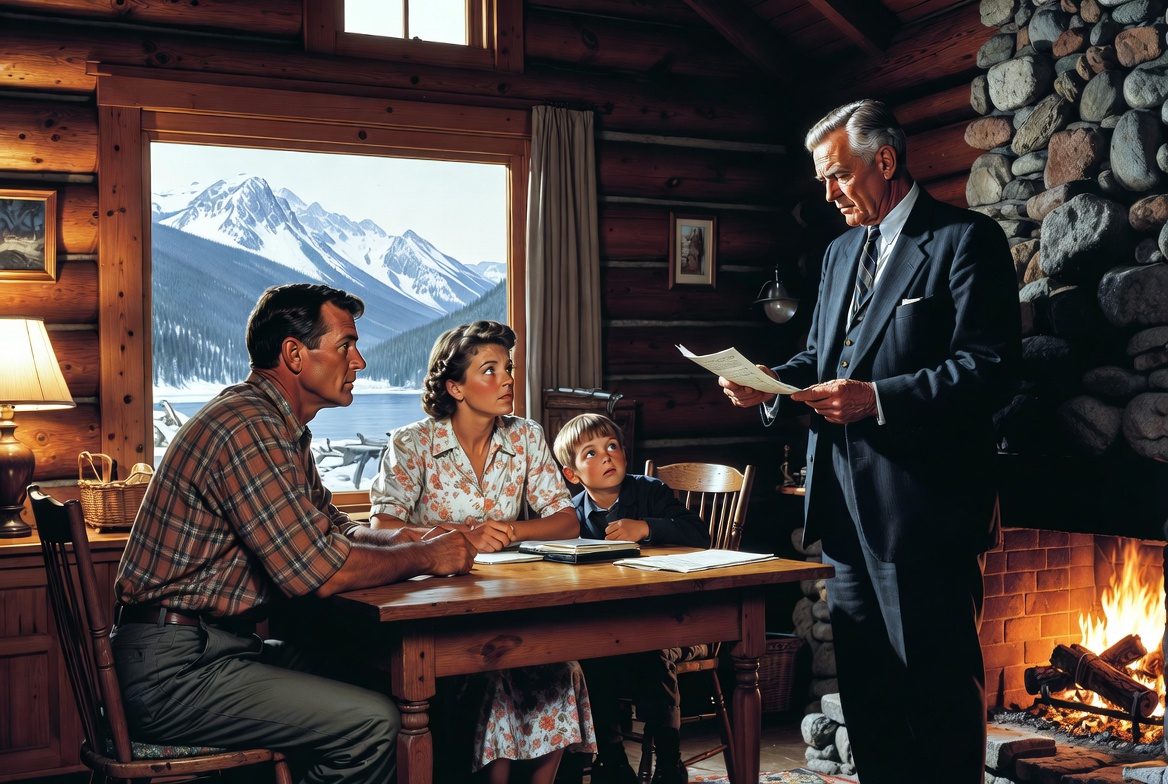
January 1981
GAO Report CED-81-10 declares: ‘Lands in Stehekin Should Be Returned to Private Ownership’ – NPS still refuses
2003
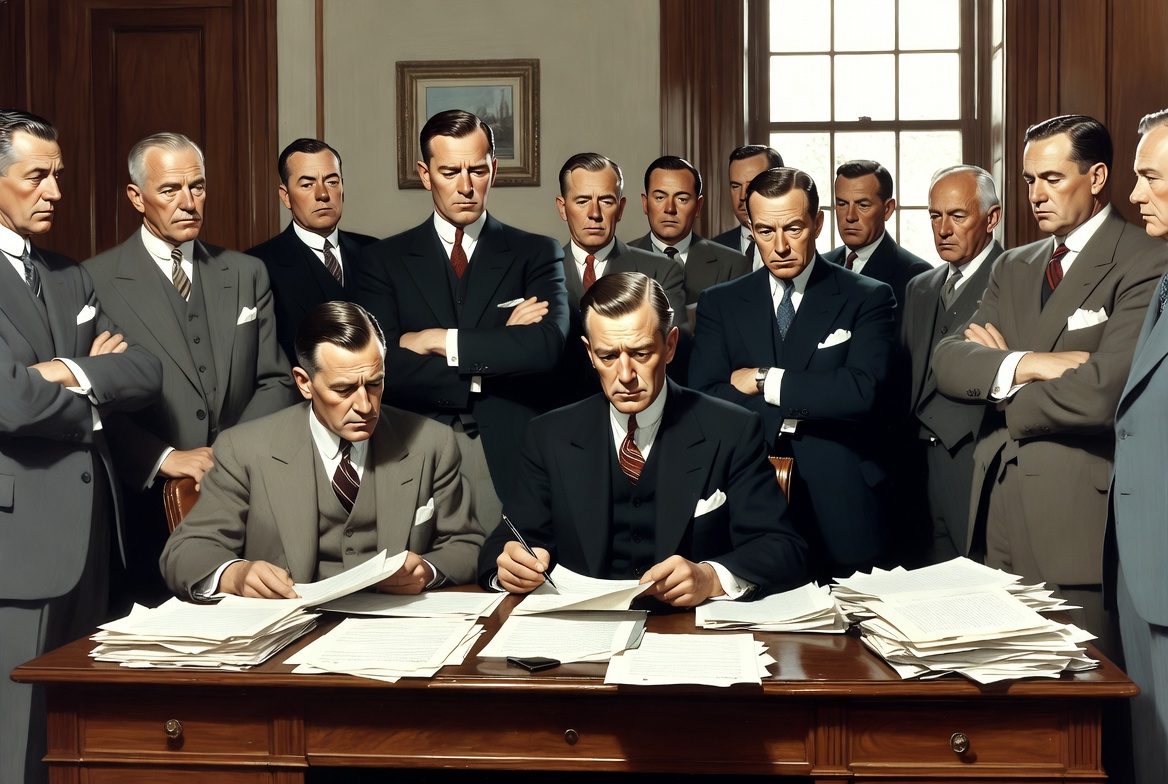
Catastrophic flood destroys the Upper Valley Road. Government approves repair funds… yet the road remains closed 23 years later, a broken promise that stifles tourism and opportunity.
December 2025
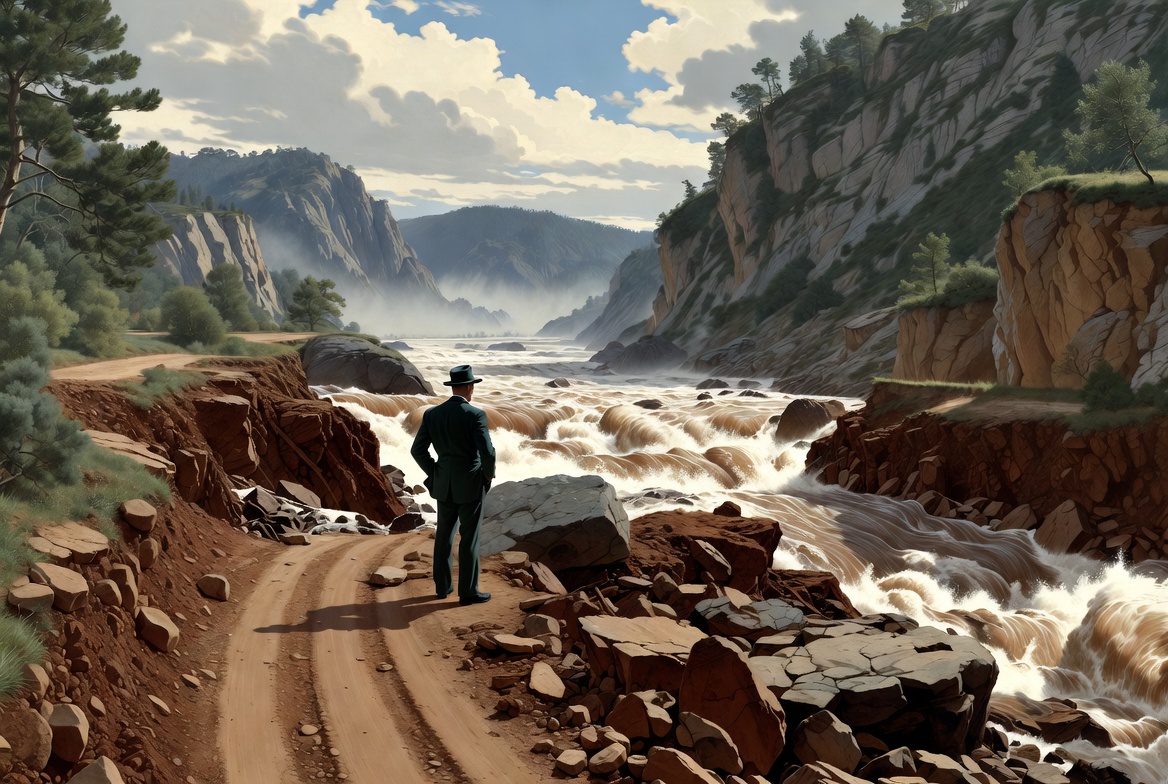
Catastrophic Atmospheric River Flooding & Debris Flows Strike Stehekin, still waiting for the response from the government, they are currently just admiring the problem. There have been meetings but no action for over two months, except from Chelan County.
Today
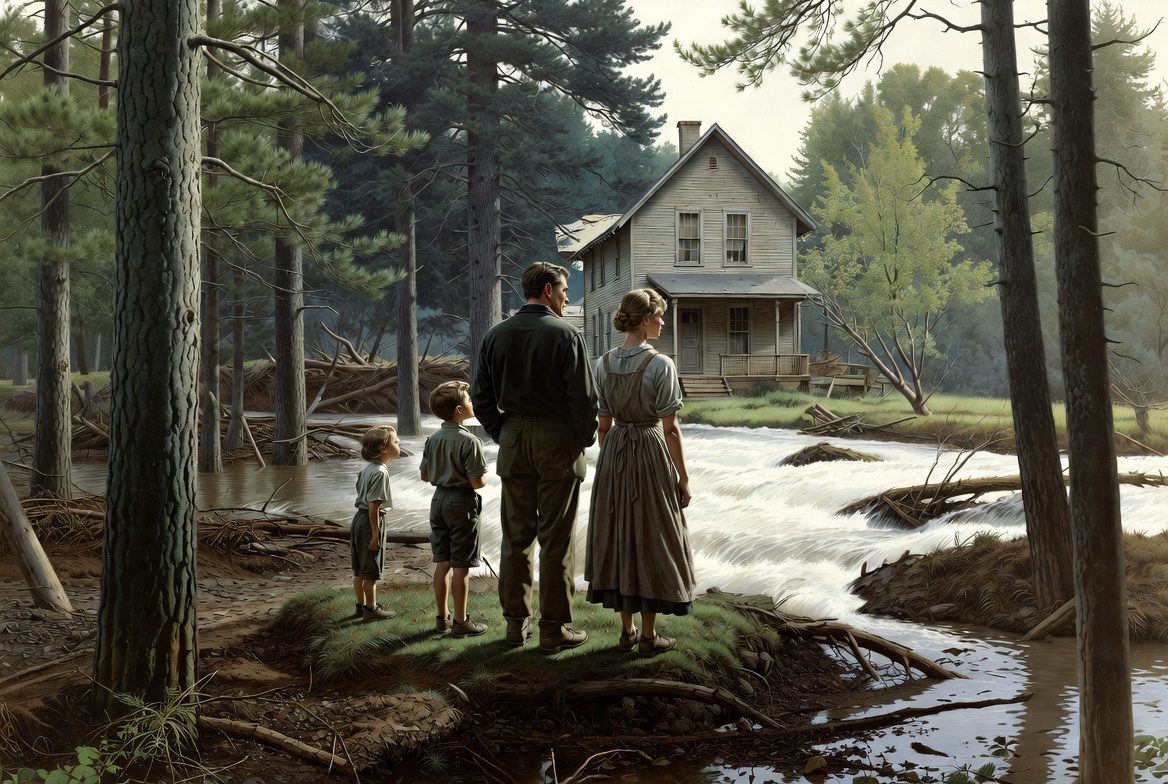
Multi-generational Stehekin families stand strong, demanding our right to repair our road, reclaim our land at fair prices, build responsibly, and keep this American community alive for the next 150 years.