When the National Park Service assumed control of the Lake Chelan National Recreation Area on January 1, 1969, the air in Stehekin crackled with uncertainty. The ink on Public Law 90-544 was barely dry, and already the federal blueprint for this roadless paradise was clear: tame the vibrant chaos at the Landing, where private lodges vied for boat passengers like frontier hawkers in a gold rush town. For Curt Courtney, a poker-sharp veteran of valley life, waiting wasn’t an option. By January 29, 1969, just weeks into the new era, he penned a letter to Superintendent Roger Contor, offering to sell the Stehekin Boatel and Café, the heart of the life he and his wife Beryl had built through decades of grit.
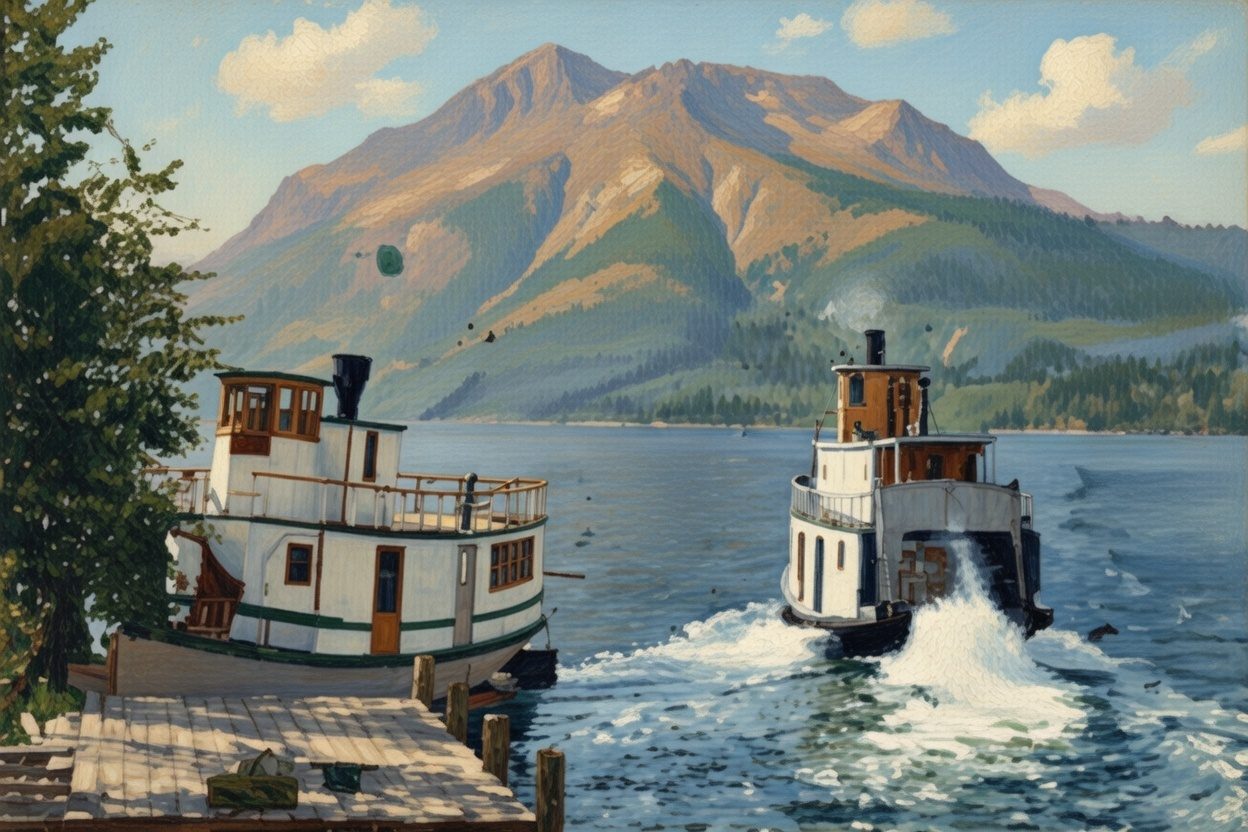
To the uninitiated, it might seem like haste. But in Stehekin, where whispers traveled faster than the Lady of the Lake ferry, it was pure prescience. The NPS vision? A streamlined, government-backed concession that erased competition. As detailed in the 1980 University of California case study Local Influence and the National Interest, residents recalled the Park Service’s unsubtle playbook: threats of building a rival lodge at Weaver Point across the lake if owners didn’t comply. “Two residents also said the Park Service threatened to build a competing lodge at Weaver Point should the private lodge owners refuse to sell,” the report states plainly, echoing the power imbalance that loomed over families like the Courtneys.
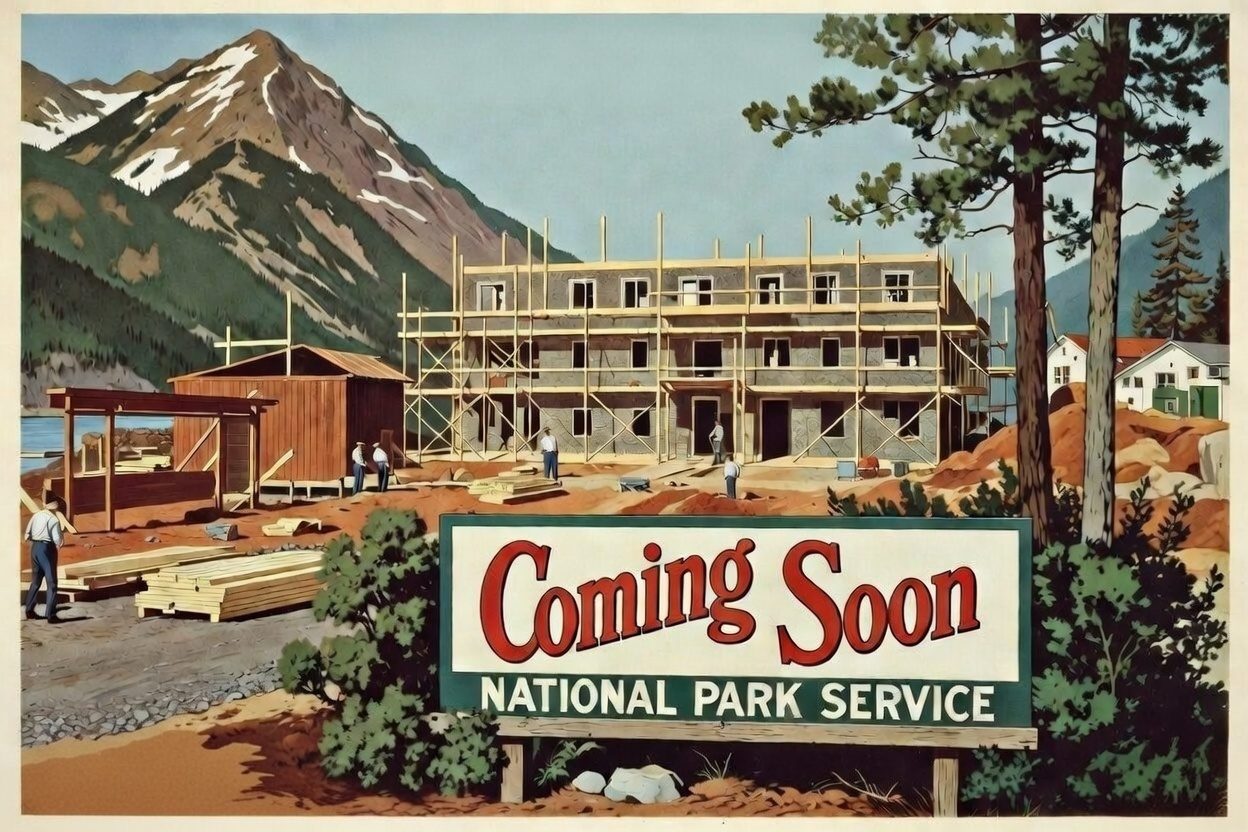
Beryl’s legendary pies, up to eighty a day for ravenous visitors, and Curt’s bus runs to Rainbow Falls weren’t just services; they were the soul of Stehekin’s self-reliant economy. Yet, in their sixties, facing a subsidized federal juggernaut, the couple read the room like Curt read a poker hand. Sellouts? Hardly. They negotiated from strength in 1970, securing a fair price before the NPS absorbed the Boatel into the North Cascades Lodge, investing in upgrades like modern sewage and docks that private pockets could never match. The Landing transformed into the “orderly gateway” the feds craved, but at the cost of independent dreams.
Years later, when echoes of coercion resurfaced in media scrutiny around 1992 (amid reports questioning “willing sellers” in Stehekin acquisitions), the NPS brandished Curt’s letter as proof of consent. The narrative stalled, but the full story endures: Curt didn’t flee; he outmaneuvered. As Tom Courtney later recounted, “The NPS threatened to build a Lodge over at Weaver Point if Curt and Beryl did not sell”. Curt acted proactively, preserving his dignity amid pressures that the GAO’s 1981 report (ced-81-10.pdf) later condemned as “contrary to what the Congress intended,” urging lands to be returned to private hands.

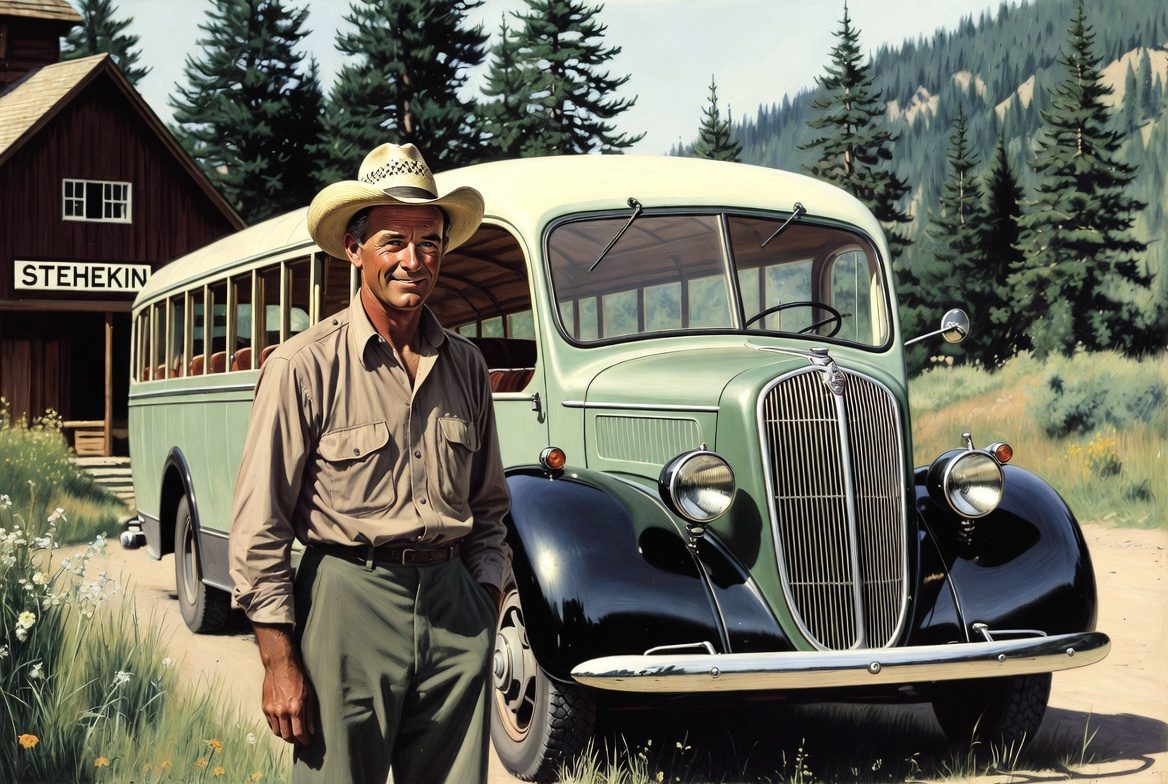
This isn’t ancient history; it’s the blueprint for Stehekin’s fight today. Curt’s foresight highlights how NPS overreach has stifled growth for generations, turning a thriving community into a preserved relic. But Stehekin deserves more: the right to expand sustainably, honoring its pioneer roots while welcoming new families, businesses, and infrastructure. Imagine the Boatel reborn under private innovation, that’s the future we’re rallying for.