Betrayed, Not Partnered: How the National Park Service Lied to Stehekin for over 50 Years
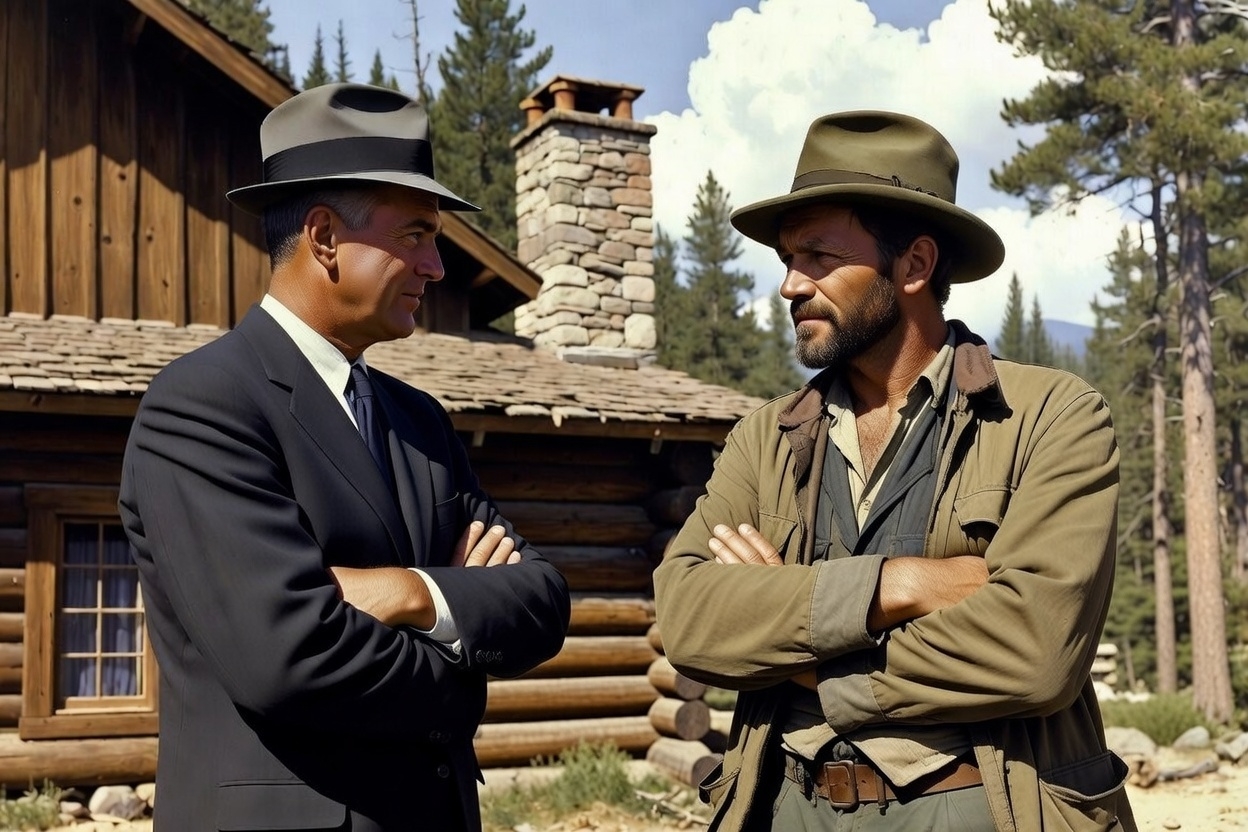
A tenuous relationship begins. The Government wants to absorbed all of Stehekin into the North Cascade National Park. But the Stehekin Community and several Hunting Clubs convince the government they have a right to exist and they create a Recreational Area where the residence are allowed to provide services for the new tourism industry that is coming.
- Idea/Promise: The village and lower valley must have development to serve the public. Congress foresaw “considerable use” and said infrastructure and services were required.
- Direct Quote – Senate Report 700 (Oct. 31, 1967): “The village and the lower valley, therefore, will have considerable use, and development to accommodate these visitors will be necessary.”
Part of Public Law 90-544 Oct 2nd 1968
SEC. 202. In order to provide for the public outdoor recreation use and enjoyment of portions of the Stehekin River and Lake Chelan, together with the surrounding lands, and for the conservation of the scenic, scientific, historic, and other values contributing to public enjoyment of such lands and waters, there is hereby established, subject to valid existing rights, the Lake Chelan National Recreation Area (hereinafter referred to in this Act as the “recreation area”). The recreation area shall consist of the lands and waters within the area designated “Lake Chelan National Recreation Area” on the map referred to in section 101 of this Act.
National Park Service, George Hartzog, director of the NPS at that time, presented a policy statement at the Senate hearing in Wenatchee on the use and acquisition of private lands in the Stehekin Valley. The most important part of this statement said:
The National Park Service will not seek to acquire private inholdings within the Stehekin Valley of the proposed North Cascades National Park without the consent of the owner, so long as the lands continue to be devoted to present compatible uses now being made of them—such as for modest home sites, ranches, limited eating establishments, lodges, etc. This applies to the present owners and to any future owners of the property. The present owners are at liberty to dispose of their property just as a private land owner anywhere else can do. Subsequent owners may be assured that the National Park Service will take no action with regard to acquiring the property without their consent so long as the properties continue to be used for these same compatible purposes as at the time of the authorization of the park.
1968–1995: The Slow Squeeze Begins
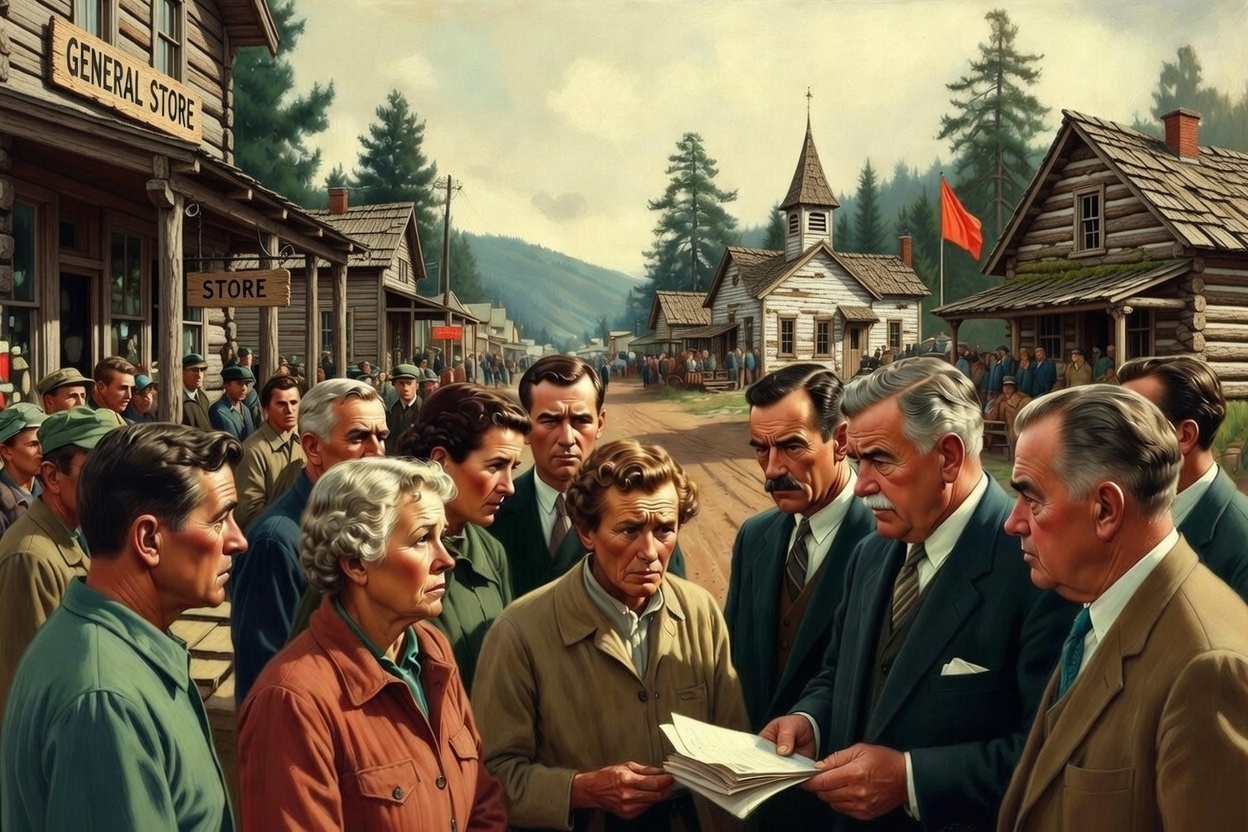
Private land drops to 656 acres (165 tracts) by 1978.
By 1991: NPS had purchased over 1,200 acres total – more than 70% gone, almost all to “willing sellers.”
1995 Land Protection Plan & GMP: NPS sets priorities for more voluntary buys, focusing on flood-prone or scenic parcels. Congress had said “no acquisition without consent if compatible” – but the agency treated every willing sale as progress toward “resource protection.”
The NPS states that they only buy from “willing sellers” and without coercion, but the stories from the people of Stehekin prove otherwise.
The Three Historic Lodge Families – “Sell or We’ll Build a Competitor Next Door”
GAO documented how NPS bought all three private lodges + restaurant at the Stehekin landing for ~$357,000 (1969–1974), slashing visitor lodging by 50%, directly contradicting Congress’s call for more development. Residents testified the Service explicitly threatened to build a competing federal lodge at Weaver Point if owners refused to sell. One family sold under that gun: their business, their livelihood, their multi-generational dream gone in a heartbeat. Today that land sits as a government visitor center while visitors scramble for beds. Message: “They didn’t ‘willingly’ sell, they were given an offer they couldn’t refuse.”

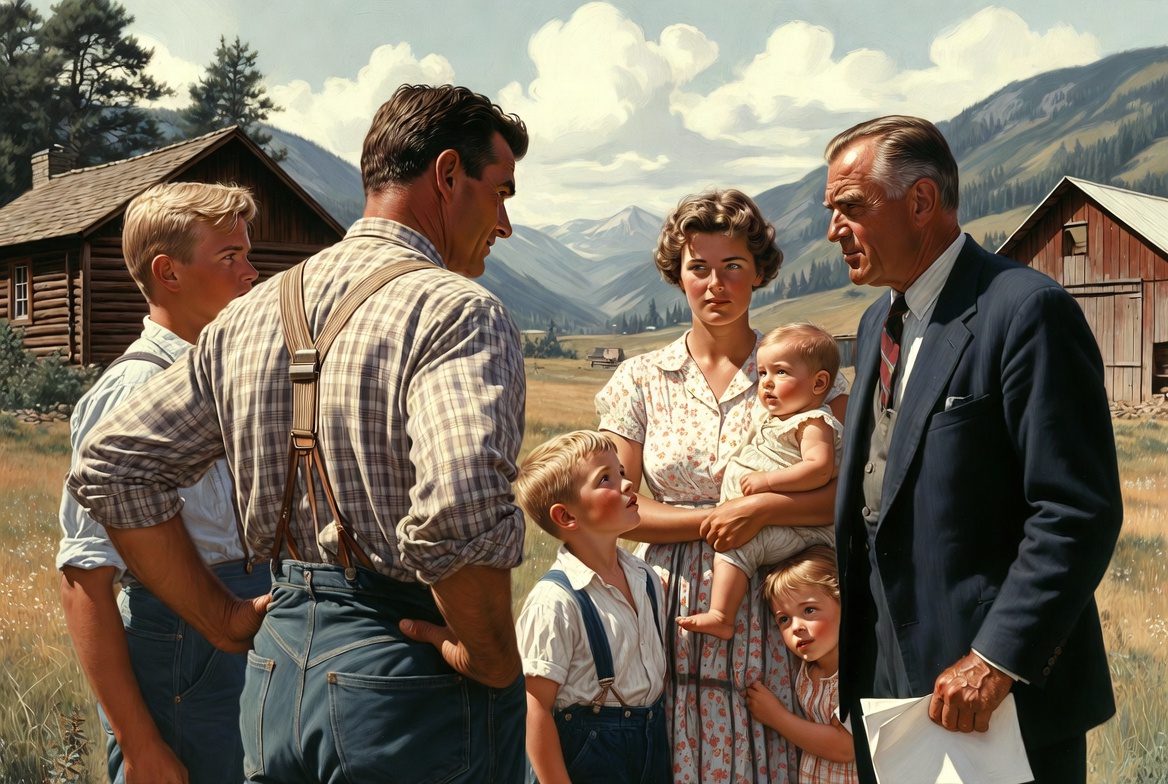
Threats and Bullying to Force Families and Businesses to Sell.
May have encouraged sales by (1) continuing to project the potential of condemnation for any development action taken by a private landowner, (2) apparently suggesting to owners of commercial facilities that they could be deprived of a reasonable return on investment, and (3) not informing private landowners concerning recreational development plans for the area. (See p. 8.)
The Golf Course Developer’s 110-Acre Tract – The “Promise” That Sealed the Deal
A deceased owner’s family told investigators they sold their 110-acre tract only after the NPS regional land acquisition officer stated that, “if possible, the Service would complete the final four fairways of a golf course he had been developing.” This was classic soft coercion: dangle a carrot while the implied stick (condemnation for “incompatible” private development) loomed. GAO noted NPS routinely projected condemnation risks for any building or subdivision attempt, never offering the easements or zoning alternatives Congress expected. Message: “They turned a dreamer’s vision into a forced sale. Stehekin families deserve the freedom to dream, and build, again.”

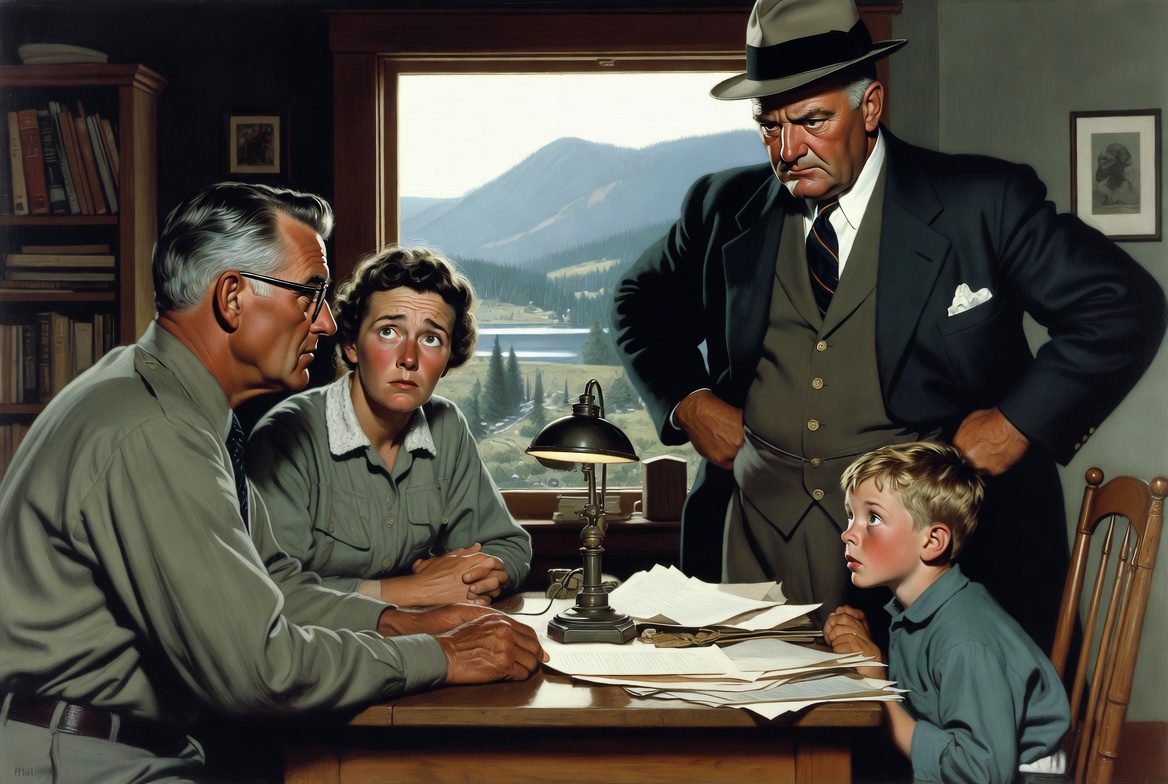
The Small-Home Owners & Preemptive Sellers – Fear of the Knock at the Door
GAO highlighted NPS buying 42 tiny tracts (<2 acres each) for over $506,000 — many with modest single-family homes the Service itself admitted were compatible. Residents reported: “We subdivided and sold when we heard the park was coming in. We thought they would condemn.” Another: “We were driven out of the valley by the NPS, which came in here with a program of coercion to buy land.” By 1977–79, revised NPS letters to every owner spiked fear of “incompatible” labels. More families sold preemptively. Private land dropped from 1,730 acres to ~650. Message: “No guns, just relentless pressure until ‘willing’ became the only option. This is regulatory taking by fear.”
The Post-GAO Squeeze (1978–1995) – GAO Ignored, Pattern Continued
Even after GAO’s 1981 bombshell — recommending lands be returned to private ownership and compatible parcels sold back to original families — NPS doubled down. Acquisitions slowed but regulations (floodplain rules, scenic overlays, variance denials) devalued remaining holdings, making ownership a burden. By 1995 LPP, ~459 acres left, most targeted for eventual buyout. Families testified the “willing seller” label hid the reality: sell before taxes, restrictions, and uncertainty force your hand. Message: “Congress listened to GAO in 1981. It’s time to listen again — and legislate permanent protection + room to grow.

1. The Original 1968 Limit Congress Set
Public Law 90-544, Section 506 (October 2, 1968) Exact Verbatim Text: “There are hereby authorized to be appropriated such sums as may be necessary to carry out the purposes of this Act, but not more than $3,500,000 shall be appropriated for the acquisition of lands or interest in lands.”
This $3.5 million cap covered the entire North Cascades Complex — North Cascades National Park + Ross Lake NRA + Lake Chelan NRA (Stehekin). Congress put it there as a deliberate brake after hearings where Stehekin residents and supporters fought to keep private lands protected.
2. What NPS Actually Spent in Stehekin Valley (Lake Chelan NRA)
Official 2012 Lake Chelan National Recreation Area Land Protection Plan (July 2012) Exact Verbatim Text: “Since the establishment of the Lake Chelan NRA in 1968, the NPS has acquired (through fee simple acquisition) 1,202 acres of land in the Stehekin Valley at a cost of $5,381,056.40 (dollars not adjusted for inflation).”
Additional Easements: Another 8.63 acres via scenic easements for $167,550. Grand Total Spent in Stehekin Alone: Over $5.55 million — more than 58% above the original $3.5 million cap for the whole complex.
Source: LCNRA Land Protection Plan July 2012
- Fee acquisitions: p. 25 (main text) and Appendix A/Table B-1 (detailed tract list).
- Private acres remaining as of fall 2011: 416.80 acres (168 tracts).
Early snapshot (1978 NPS study): 986 acres bought for $2,394,856 by 1973 — already most of the original cap used up fast.
3. The Bottom-Line Reality
Congress said in 1968: “We’ll protect the living community — here’s only $3.5 million to buy land anywhere in the whole complex.” NPS response over the decades: Spend more than that in Stehekin alone, acquire 1,202+ acres, reduce private land by ~76–80%, and keep a “high/medium priority” acquisition list active.
That is not what the 1968 compromise looked like. It’s the opposite. Stehekin’s pioneer descendants and family businesses were supposed to be the “human heart” making public recreation possible — not phased out one “willing-seller” parcel at a time.